Category: volunteer management

  • Can I Bottle Your Success, Please?

    dinner and a movieGrace is sparkling champagne in a petite frame, and as she walks through her non-profit halls, bubbles of mirth float with her. She is a volunteer coordinator who has some of the most desirable natural abilities: the ability to make someone feel like they are the most important person in the world (at least at that moment) and the ability to include everyone in the fun and the purpose of the work.

    When I view Grace, if I squint my eyes just a bit, I start to see a humming hub from which emanates all these connectors that run through people, places and things. It’s almost like the wizard behind the curtains in the Wizard of Oz, but not in a creepy way with a booming voice that fools people. No, she is the genuine article. Her desk looks like any other desk, but it almost seems alive with all the activity that buzzes around it. If scientists can ever extract sound from inanimate objects like they predict they will, I want them to start with Grace’s desk-the amount of voices stored in that wood over the years will be deafening.

    I caught up with her recently and just like anyone who wants to bottle success or greatness, I wanted to ask her about her talents in working with volunteers. See, her volunteers are a tight-knit family. They tend to communicate with one another well, tend to be more inclined to say yes to extra work, tend to want to be involved in more ways than they originally signed up for, and tend to want to be around Grace instead of avoiding her. I know what you might be thinking, that this is an example of a personality cult. I don’t think so. I’ve seen personality cults (maybe I’ll write about one I knew of that ended up badly) but Grace is not that. Not that she couldn’t easily herd her volunteers into the “Grace is Our Queen and We are Her Minions” sect, but while she may scrape that precarious line once in a while, she is too smart to cross it and has no problem putting up an arm. elbow locked into place, to stop volunteers from becoming loyal to her instead of the mission.

    Grace is first and foremost a master of communication. She calls, emails, asks volunteers to call, sends newsletters, has an open office policy, makes hourly trips to check on volunteers working, sends cards, visits, has meetings and does every other mode of communication possible in order to keep her volunteers informed and engaged. (Picture the hub humming away).

    But Grace is fun on a stick, a happy birthday balloon in life. It’s a trait that I’ve seen in many long-term volunteer coordinators-Grace has been doing this for ten years. Maybe it’s because we have to create our own fun to diffuse the stress or maybe it’s because we need to see the joy in life to encourage people to work with the pain.

    I asked her about some of her more successful volunteer bonding events and she said, “I’ve tried many things like a game night or having a speaker talk on a worthwhile topic, but one thing I’ve found that works is dinner and a movie. Who doesn’t like dinner and a movie? I saw it as a way to get a crowd in so that they could connect with each other.”
    Grace shows movies in a conference room set up with tables and chairs, and puts out a spread of food on folding tables. It’s nothing fancy, but it is effective. “I wanted volunteers to know how much I appreciate them beyond the organization’s appreciation of them. And even shy volunteers can participate in coming to dinner and watching a movie, because I know that those volunteers that are alone appreciate a place to go and socialize on a Friday night.”

    Grace has a really good point here. If a secondary reason to volunteer (after the first reason-helping someone) is to socialize, then establishing a social gathering for volunteers truly meets that secondary reason to volunteer in a safe environment. Not only did a crowd show up to the first dinner and a movie, Grace added, “I talked it up with everyone. Most of them came, even if they saw the movie. Later, they discussed the movie with each other and that gave them a chance to get to know people they did not volunteer with regularly. And the next time I had a dinner and a movie, the volunteers encouraged each other to come.”

    Grace has this fearless component to her as well. She gets all of the food she serves and the prizes she gives out (sometimes there are winning tickets taped beneath chairs, other times there might be a contest or raffle to win) donated by local businesses. I asked her if she was nervous asking for donated food and goods. After all, asking for someone to donate their time (aka volunteer manager) is not the same as asking for donated money or goods. “Not at all,” she said, “I don’t go with the attitude that I’m begging. I go asking if the business or individual would like to be part of something worthwhile and most of them do. Volunteers are well thought of in the community, and people truly want to support them, so no, I’m not nervous, I’m extending the invitation to join us, to be part of our good work.”
    She’s gotten so good at networking in donated goods that staff seek her out. “If they need something, like a special desk or a staff coffee maker, they come to me first to see if I can get one donated. Usually, I can.”
    I asked Grace what made her volunteers feel so special and included, beyond the social gatherings. Actually I was holding out my bottle, ready to gather up that magic ingredient to take with me. “I was always honest with them,” she said. “I respect them and their contributions to the organization and I genuinely care about each one of them because each one is important and I think they feel that from me. I sort of liken it to water skiing, the feeling that you get when you’re out there…”
    “Exhilaration?” I interjected.
    “Yes, but it’s more like that natural high when you water ski. The volunteers come back for that feeling,” Grace corrected me. “Helper’s high. I believe each volunteer has something good to offer and I want them to see that. I help them find that.”

    After leaving the humming of Grace’s hub behind, I thought about our chat. I can understand a little better why Grace is so special although I’m not ruling out the bit of magic in her along with her skills. I still want to bottle her gifts, but maybe I’d better concentrate on developing my own first.
    Dinner and a movie, anyone?
    -Meridian

  • Hands-On? That’s Only the Beginning

    hands.JPGThere is the phrase, “hands-on” which is something that applies to volunteer managers everywhere. We cannot sit in some glass enclosed office barking orders through a microphone to legions of willing, robotic folks who live for every word that drips off of our lips. (Woah, was that a fantasy I just slipped into there?)
    No, we are always involved with the work our volunteers are asked to do. We stuff envelopes alongside the volunteers instead of making calls because someone got sick and couldn’t come in and now we have a deadline, so we drop everything and stuff envelopes at the table too, making jokes and keeping the work light. We ring the doorbell of a client in the field and accompany the volunteer that is unsure of an assignment because we are there to provide support and keep that excellent volunteer coming back. We lift the boxes of brochures in the hot sun at a fair because we don’t think the 70 something volunteer should have to do that and there is no one else willing to help. We delay eating our lunch because a volunteer making phone calls was not given enough information and we’ve seen what happens when volunteers feel inadequately prepared to complete an assignment so we grab the list, fingers dripping mayo and get to work.

    Yes, next to “hands-on” in the dictionary is a picture of a volunteer manager. While “hands-on” is a no brainer, I want to talk about some new phrases for us. What about “minds-on”? Do volunteer managers have the luxury to let our minds wander while at work and to leisurely think about what we will do on our day off? Will you ever find a volunteer manager at the computer, scrolling through the internet looking for the best deal on the next flight to Brazil or searching for the latest video game to buy for a six-year-old? Actually, you will, because as the volunteer manager scrolls through flights, there is a volunteer peering over their shoulder. Why, because the volunteer manager is looking up information for that volunteer whose home computer is being repaired, that’s why. Volunteer managers don’t do “personal stuff” on work computers, unless it’s personal stuff for volunteers.

    Not only are volunteer managers “minds-on” at work, we are “minds-on” even on days off. We run into volunteers at the grocery store and discuss assignments. We meet a person who would be perfect for volunteering and stop to recruit. We see an opportunity for our organization to get involved and interrupt whatever we were doing to make sure we get the information to bring back to work. We talk to a person who knows a person who knows another person who might need our organization’s services and we make sure to listen with empathy, and get their information, all the while knowing that we are late to pick up our spouse who has been waiting by the side of the road for us to come. Our minds are seldom our own and even on vacations we are planning and producing.

    So, in the dictionary of made up phrases, next to “minds-on” there is a picture of, wait for it, a volunteer manager!

    But what about “feet-on”? We run up and down the corridors, making sure volunteer Anna is getting along with cranky volunteer Grace. We roam the hallways patting volunteers on the back, encouraging them to do their best while praising them for giving their time. We pace the hospital floor while a volunteer is being checked over because she fainted in the lobby. We walk a volunteer to their car in the rain, holding an umbrella because they forgot one. We run out to get water bottles, because the volunteers manning the booth are thirsty and we really don’t believe in letting them fend for themselves. We walk along side a volunteer who is tentative about their first assignment. We dance at volunteer functions to bond and let loose and get that party started. We jump through hoops to make sure volunteers are recognized and appreciated.

    Well, what about “eyes-on?” We watch a group of volunteers working and get a swell of pride. We peer around a corner to see how a volunteer is being treated, ready to step in if need be. We scan a volunteer’s face for clues into his sudden sadness. We observe the tender way a volunteer is interacting with a child and we step back, not wanting to break that bubble of perfection.
    Or “ears-on” as we listen for any mention of skills and interests that we can help volunteers tap into. We strain to hear the nuances of a client’s needs so that we can find the right volunteer for her.

    And there is yet another phrase to consider. While we are “hands-on”, “minds-on”, “feet-on”, “eyes-on” and “ears-on” we are also very much “hearts-on.” Does your heart not ache when your volunteer walks in and sits down, holding back tears to tell you their spouse or child or parent died? Does your heart not soar when your volunteer is flush with excitement because he had a moving experience with a client? Does your heart not sing with pride when a student volunteer is accepted into a prestigious university and you are one of the first people to know? Does your heart not cry when a volunteer suffers from depression or a debilitating disease? Does your heart not melt when you listen to a volunteer describe how they fell in love with their spouse of 50 years at a chance encounter? Does your heart not bleed when a volunteer tells you over lunch that they are dying and they want to continue volunteering? Does you heart not beat stronger when a volunteer tells you that you have made a difference in their life by your mentoring? Does your heart not care about your volunteers so much it is almost embarrassing?

    Yes, in the dictionary of phrases, next to “hands-on,” “minds-on,” “feet-on,” “eyes-on”, “ears-on” and “hearts-on” there is a picture of a volunteer manager. Hmmmm, maybe there should also be a really big obnoxious picture of a volunteer manager next to the phrase, “giving it your all.”
    -Meridian

  • “Is It Too Much to Ask?”

    lock“Is it too much to ask?” Calista queries while wiping grape jelly off the hands of her five-year old. She smiles and pats him on the head as he runs off to join his three older sisters in the yard. She drops the rag on the counter and sits down on the bar stool. “I’m not a high maintenance person, not at all. But, I mean, I do need some consistency and direction.”

    Calista started volunteering for her PTA after some pretty heavy pressure by the PTA officers. “Maybe it’s because I have four kids in that school,” she laughs, “but I became a target for their recruitment. Maybe it’s because I’m a loan officer at the bank which makes everyone assume I’m the goddess of paperwork. And I know every volunteer group has their share of paperwork!”

    Feeling the need for parents to step up, Calista agreed to volunteer and she set aside time for the next meeting. “I’m fortunate because my husband, Josh is great and encouraged me to get involved so I did. After dinner one night, I headed out for my first meeting. I was introduced to the President, a nice lady named Jenna and I met all the other officers as well. They seemed very pleased to have me join the group.” Calista leaned back. “They had quite a number of projects going, including holiday events, fund-raisers and volunteering in the classroom. After the meeting was over, I realized they had gotten me to sign up for a call tree and also as a member of the awards committee.” Calista giggled. “Oh, they were good. I kind of liked the two areas I signed up for. The call tree I could easily do from home and the awards committee sounded fun. At the end of the year there would be awards for students, teachers, parents and even office staff. I have to admit, I was hooked.”

    Calista thought for a moment. “Every month I would faithfully attend the meeting. Jenna, the president took me aside and asked if I would research prices on awards for the award ceremony, present my findings at the next meeting and I agreed. I wasn’t being utilized on the call tree and I just figured that no calls needed to be made, but at the next meeting I was armed with the awards information. I had spent a good amount of free time gathering prices, guarantees, choices, etc. But when I got to the meeting, I found that the president had already contracted with a company to create the awards. When I asked the president about my research, she said that it may come in handy next year, but that she had to act fast on a promotion that someone sent her. I gotta tell you, I was annoyed. She could have emailed me so that I didn’t waste my time.”

    Calista was a victim of Lack of Communication (LOC).

    I’m ashamed to admit it, but I have been guilty of the LOC malady. And I had no good excuse for my lack of communication. Now here’s the thing about committing a LOC on volunteers. A real volunteer’s time and effort is disrespected by misdirection, no call back or no follow through. Running into a volunteer that is awaiting your call is like rounding the cat food aisle to see someone you owe 20 bucks to and forgot to pay. When we see this volunteer do we say, “Yeah, I could have called you to tell you that the project you were so excited to be part of has been scrapped but I chose the cowardly way by ignoring it and you.”

    Being mindful of volunteers’ time and effort is crucial to volunteer retention. We can’t give a volunteer an assignment or tell them we will call them without following through on that promise, because it is a promise, a promise to treat them as a valued member of our team. And, as if we didn’t have enough work, we cannot let other staff members commit a LOC either. We have to be on top of their treatment of volunteers too.

    But what about those conversations in a hallway, or on your day off in the store when you promise something to a volunteer but don’t write it down or store it in your phone? If I had a dollar for every time that happened to me I’d have a nice little nest egg right now. When I’d finally given up on the idea that I could remember everything (yep, you’re right, control issues), I began to be more honest. “Well, Donna, I’m so glad we ran into each other here in the feminine hygiene aisle and we got to talk about your wanting to get involved in that new project. I can’t tell you how excited I am to have you work with us, thank you so much. Can I ask you a favor? I’m afraid that because it’s a Sunday evening and I don’t have a notepad with me, I might let this conversation slip and I would be mortified if I didn’t call you tomorrow with that information. Would you mind calling me tomorrow to remind me? You would? Thank you, you’re the best!”

    Now, when Donna calls the next day, I can chuckle and say, “Thank you for calling me. I was so excited that I was just about to call you, but sometimes I forget. You are unforgettable of course, but now let’s talk about your involvement.”

    If a volunteer calls and says, “I haven’t heard from you…” that is red flag territory. For whatever reason, that volunteer was handed a LOC. Open it with honesty.

    Honesty goes a long way. Sincerity gallops right along with honesty. I’ve had to say, “I didn’t call you because I’m an idiot,” and “I didn’t get that information because I let time get away from me and I sincerely apologize.” Ouch, It’s sobering to realize that I’m not super volunteer coordinator. But, I am human and I do care about volunteers’ time and energies.

    Calista sighed deeply. “You know, it would have been ok had I gotten some sort of acknowledgement that my effort was for naught. An apology, a reason I wasn’t informed, something. That would have gone a long way to make me feel valued.”

    Volunteers do not expect us to be perfect. However, they do expect their time and efforts to be valued. Communicating is about valuing them. And too many sloppy LOCs will produce a volunteer LOC out!
    -Meridian

  • Let’s Just Have Tea, Shall We?

    teaMarlene has been a volunteer coordinator for ten years. She’s adventurous, loves rock climbing, extreme sports and her idea of a pleasant evening is a demolition derby. It’s only natural that she would bring her sense of adventure to volunteer management.

    “I like to try new things all the time,” she says with the tiny grin of a child caught in the act. “I like to see the things others are doing and try to incorporate that into my volunteer program. Here at my hospital, it’s easy to get into a complacent stage where you think all people who come to volunteer in a hospital setting are pretty much the same type of person. I’m constantly being told to find retired nurses and health care workers, because they would naturally want to continue their line of work after retiring, wouldn’t they?” She laughs easily. “I mean it’s this kind of thinking that breeds a stale environment. Now don’t get me wrong, I understand that a retired nurse would be easy to train because she knows the system so well and can follow the rules. But,” she adds with a mischievous gleam in her eye, “what about the retired nurse who was so fed up with obeying the rules, and she wants to volunteer to break the constraints wide open? Huh, what about that?”

    Marlene has a great point. Organizational administrations who tend to lump potential volunteers together will most likely also make the mistake of lumping actual volunteers together in a “them” mentality. Ignoring the subtle complexities of volunteer management will foster this stale and outdated thinking.

    “When it comes to interviewing potential volunteers,” Marlene continued, “I’ve tried everything from quizzes to group interviews to structured questions. Sometimes these techniques work, and sometimes they don’t. We’re in an age when background checks are not enough, not if you really want to get to know the motivations of the volunteers working within your system. Do background checks uncover mental illness? Does a quick call to a reference on an application reveal the tendency to get over-involved with children? Will an interview question about the reason a person comes to volunteer actually produce the real answer?” Her grin widens. “And what is the real answer, now that is the question?”

    Marlene has had some experiences she wanted to share with us. “Look, I tried a list of good, solid questions, but what I often found was that I immediately put the volunteer on the defensive. For instance, I asked a man why he wanted to volunteer with us and he shrank back like I hit him with a bat. I could see in his eyes that he was searching for to the correct thing to say, so I knew right then that I wouldn’t be getting an honest answer. Now, mind you, this man became a great volunteer, but that interview question did not help me in any way. Actually, it hindered the rest of the interview and it took some time to get to know him.”

    Marlene looked for the right words. “But, I knew that I wanted answers to certain questions so I started experimenting with peppering the questions into a casual conversation. The whole process took a bit longer, but I found that in the majority of cases, it was well worth it. My mother was born in England and so I began to create in my mind what I termed the ‘spot of tea’ scenario. I would invite potential volunteers in for a twenty-minute chat and a cup of tea or coffee.

    At first I started by asking them simple questions and I found that even that put them a bit on the defensive so I experimented with trying to put them at ease. And now I begin by first explaining our program to them. It works so much better and puts them at ease. I start by introducing myself and talk about how the program works, our volunteer jobs, and some of the benefits of volunteering. I make sure that I tell them how rewarding our existing volunteers find their work to be. Then, and only then, do I start to ask some questions in a conversational manner. I’ll reword the questions every time so that it doesn’t sound so rehearsed.” Marlene laughs. “If you don’t think most potential volunteers can spot a canned question, then you don’t know volunteers!”

    She continued, “when people are comfortable, they will naturally open up, much more than when they are put on the spot by invasive questions like why are you here?” Marlene then recalled an incident during the beginnings of her ‘spot of tea’ interview. “I remember one young man who came in. We were talking, really getting to know one another and he told me that he had been fired from his last job. Because a red flag went up in my head, I carefully asked him what had happened and he told me. I was shocked that he confided in me, but it turned out to be a reason that prevented us from taking him as a volunteer. A background check would not have revealed that information to me. He did.”

    Assessing potential volunteers is something all volunteer managers want to do well. There really is no perfect question, technique or method involved in getting to know volunteers. Whether you have a set of specific questions or not, Marlene advocates first putting prospective volunteers at ease. “Make them comfortable with you so that they can be honest. That way, you’ll not only get some honest answers, but you’ll also have a leg up on figuring out a fit for them. And besides, it’s gratifying learning the volunteers’ stories. It helps you and it makes them feel a part of the organization right from the start.”

    This is why volunteer managers are so incredibly good at their jobs. Even the simplest of tasks such as interviewing a prospective volunteer is viewed as crucial to organizational success. Volunteer managers like Marlene may not try to be perfect, but in striving to do the best possible job in every situation is surely as professional as it gets.
    -Meridian

  • When Our Own Heart is Breaking

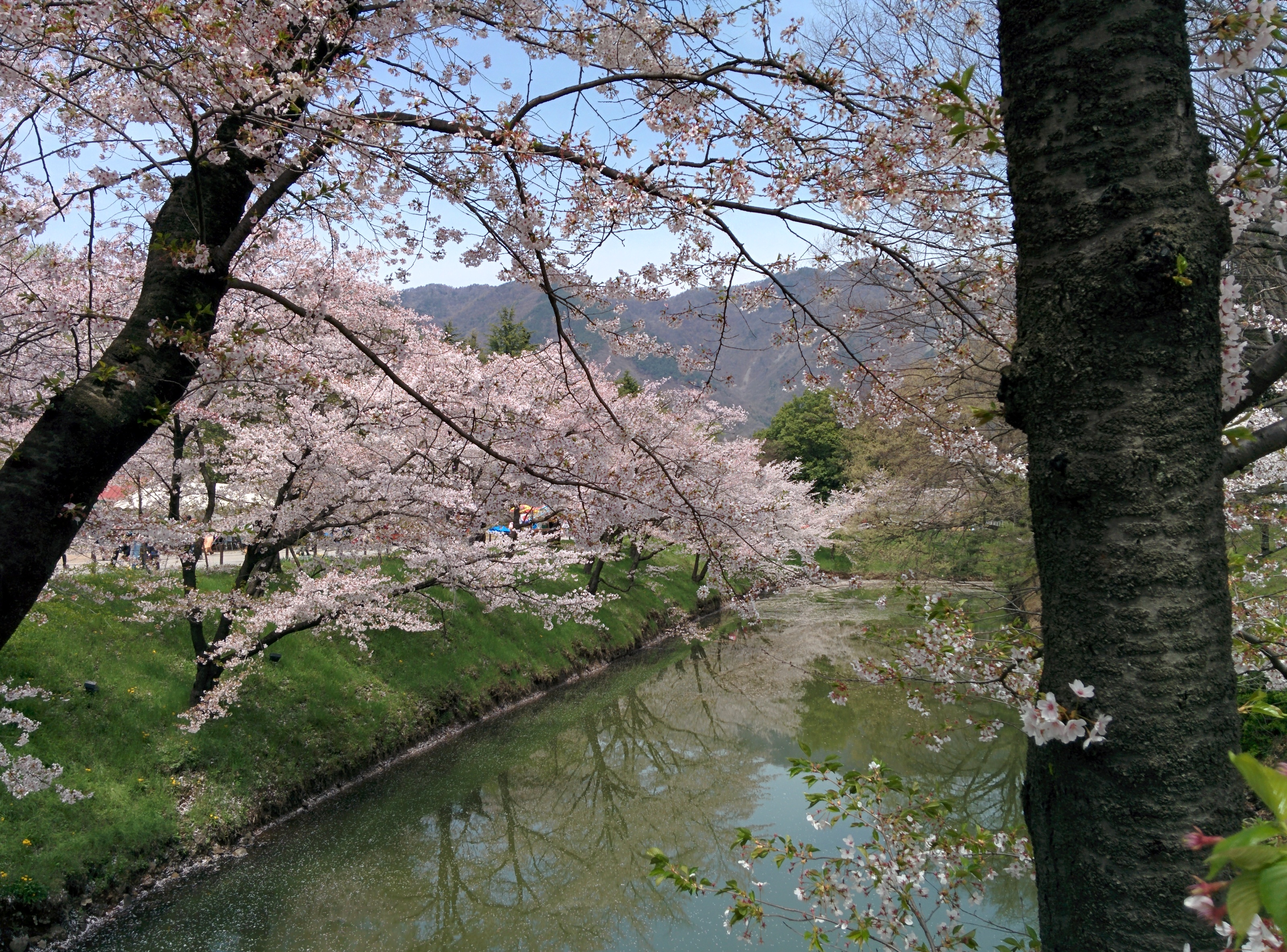
    cherry blossoms
    As I am writing this, my son and his family are moving more than a thousand miles away for new jobs and my heart feels like a vessel of dust.
    You see, volunteer managers take good care of clients and volunteers but occasionally we, too, endure heartbreak. Loved ones dying, divorce, pets put to sleep, infidelities, family members in trouble, fires and floods all befall us as well. So how do we continue to do our jobs when our souls feel like they’ll break if we even try to get out of bed?

    I remember when my father died many years ago, I was managing an all volunteer run resale shop. I really had no backup emergency staff and so I returned to work after one day off. My family told me that I was crazy for going back so quickly, but I did it more out of rote than anything else. Through the haze of shock and grief, my feet pulled the rest of me to work. See, my Father lived with me the last years of his life at a time when my husband and I had three teens in the house, their friends occasionally crashing with us, several animals, and demanding jobs. But I had made a promise to myself years ago and come hell or generational clashing, I was going to keep that promise.
    My Dad grew up an orphan, back when orphans were disposable goods. He went from farm to farm where he worked in exchange for a roof (usually in the attic where the only heat rose off the main floor) and food and the promise to send him to school. (He made it through grade six). And because my Father was a wonderful father, I promised myself he would not spend the last years of his life the way he spent the first.
    So, when the time came, we moved him into our home. He had dementia, a thing so potent that I first recognized its insidious burrowing when I got a call from him that he had lost his car in a parking lot. The dementia grew bigger, my kids and their friends got used to “Grandpa” and we managed, although my daughter, new to the teenage role, was thoroughly embarrassed at outings.
    Yeah, I got kicked out of a mall because my Dad refused to put out a cigarette and almost came to blows with the security guard. I had to go back and return the items he “lifted” from stores when I wasn’t looking, had to keep the kid lock on the windows because he would throw his half drunk milkshake out for fun and had to stand between him and the teenaged friends of my sons that came over because he was after all, back in the days when he scrapped with the neighborhood kids in Chicago.

    But I digress. I think I returned to work because I needed the arms around me of those volunteers I had come to love. After all, they understood. They took one look at me and knew and they wrapped my pain soaked body in their soft dry towel.
    There is the Carl Jung term, “wounded healer.” Simplistically, it refers to people who choose to help others because they, themselves are wounded by life’s events.
    I don’t think that term necessarily applies to volunteer managers. I think volunteer managers are like the cherry blossoms of spring. Let me explain if I can. I think we come into our jobs, maybe thinking that we will get to direct some really nice people and then we start to see the complexities of our jobs and that forces us to open ourselves up, more and more and more to the arching vast sweep of humanity. We open like a blossom to the human experience and we become unafraid to feel what we must feel, because we’ve been through it so many times with our volunteers. We feel with them and we feel for them and when our time comes to feel, we walk into that burning fire resolute, but prepared. And when a steady hand reaches out to calm our shaking, we grasp it firmly, and feel the gratitude.
    Does this knowledge make my heart hurt less? No, but I choose to remain open, because if I close, I close myself in with my pain and I’d rather open to loving arms that see me through.

    Walking along the edge of a sword,
    Running along an ice ridge,
    No steps, no ladders,
    Jumping from the cliff with open hands.’
    ~Zen verse

    Take good care of yourselves. A part of our lives is the knowledge that things will happen to us too. You’re part of humanity, vulnerable to suffering, but remember, there are people out there who care about you.
    -Meridian

  • Bursting the Idealistic Bubble

    bubbleburstWhile eating breakfast at our favorite hole in the wall diner, my husband pushed aside his plate of pancakes. “They’re a bit doughy this time,” he said and covered the plate with his paper napkin just as the server walked by. “Finished already?” Her question was a polite accusation, yet she removed the plate at my husband’s nod. That got me thinking aloud. “Does the cook feel badly when food comes back uneaten?”
    “No,” my husband quickly offered, “it’s a job.” But then he thought about it. “Well, maybe so.”

    It reminded me of volunteer manager Brett, who oversees the volunteers that cook meals for patients at a hospice care center. “One of the biggest challenges I have is to handle the volunteers’ disappointment when patients don’t eat the meals prepared for them. The volunteers put their heart into making the meals look and smell appealing from making sure the plate is cleaned of any spillage to the garnish that enhances the look.” Brett continued, “I mean, when a new volunteer starts, I have to really remind them that patients may be too sick to eat. They may order food with every intention of eating it, but their appetites often are just not there anymore and they don’t even try a bite. That is very disappointing to the volunteers who send out food thinking that the patient will enjoy the meal they just prepared with care.”
    “What do you do to quell that disappointment?” I asked.
    “Number one, I’m available. I’m there to gauge the volunteers’ reactions to things, like if they get quiet because they think they were reprimanded by a patient’s family or staff member, or if they seem down because no one is eating or if they act discouraged because no one seems to show any appreciation.”

    Brett is a savvy volunteer manager. He knows the impact and benefits his volunteers bring, but he also realizes that the volunteers don’t necessarily receive continuous positive feedback. And if they do not, then disappointments may just color the way they view their volunteering.
    I remember a volunteer, Jess, who was upset because the client she was working with said to her, “I don’t like you.” She had put her heart and soul into trying to “reach” this gentleman and when he refused to be “reached,” she was devastated. “What did I do?” she asked. “What could I have done differently?” And her very telling question was, “why doesn’t he like me?” At that point, placating her with flippant statements like “well, it’s just him, not you,” would serve no useful purpose. This is where some real volunteer management is necessary. We have to ask, “what are Jess’ expectations of volunteering? What are her methods of working with clients? Did we give her the wrong client, not only for her, but for him as well?”

    When working with volunteers, I was always adamant about telling them that a rebuff or client anger was rarely directed at them personally. The fact that someone didn’t eat a volunteer prepared dinner had almost nothing to do with the meal, but everything to do with the patient’s ability to eat.
    Brett says, “I tell the volunteers that the patient’s family is hyper aware of the meals that are made, that the family is touched by the extra care put into those meals. I tell stories about how a family member will get so excited because their dying loved one tried some creamy mashed potatoes. Because I’m here all the time, I can see the good that is being done. I try to impart that to my volunteers.” Brett connects his volunteers to the overall experience of volunteering, not just their own unique and personal experiences. “I tell them that not only does the family and any visitor notice the great meals, but our staff notices too. And my volunteers absolutely revere the staff, so that means a lot to them.”

    Do the cumulative good experiences outweigh the immediate bad experience? Hopefully so, because if a person comes to volunteer with the thought that they will make a positive impact in another person’s life, then a rebuff or a moment of disappointment can puncture that warm bubble.
    As Morrie Schwartz, the subject of Mitch Albom’s acclaimed book, Tuesdays With Morrie once said while telling the story of a wave who feared crashing onto shore, “you’re not a wave. you’re part of the ocean.”

    Our volunteers are part of an ocean of good work. Helping them see that is one way to soften any disappointment they may encounter. But our work doesn’t stop there in a warm fuzzy ending. Excellent and continued training about clients, situations and how to view volunteering is also in order. I remember a hospice resale shop manager who was having some challenges with her resale volunteers and their brusque nature towards the folks coming to the back door with goods to donate. “They’re not looking at them as people, so much as nuisances,” she lamented. I asked one of the bereavement counselors to do a workshop with the volunteers and she not only agreed, she made a real difference in their attitudes. She offered stories of how bereaved people view the items they are giving away. It sensitized the volunteers to look at donors in a different light. As one volunteer said, “it’s not just unwanted junk people are bringing in, it’s their lives in a box. We need to be mindful of that.”

    Because we can’t offer continuous training every day and every shift, we reinforce the connections in a continuing dialogue with each volunteer. An example would be saying to an assembly line volunteer feeding the homeless, “your work is amazing. Because you were here to prep those potatoes, we actually fed 200 people this time. And one gentleman said to me that this meal reminded him of a Sunday afternoon at his grandmother’s farm.”

    Volunteer work can be wonderful, messy, unpredictable, illuminating, satisfying and sometimes, disappointing.
    It’s the diligent volunteer manager that keeps each volunteer tethered to the mission and to the overall good work which keeps that bubble aloft.
    -Meridian

  • Walking the Unfamiliar Way

    187My very first adult job required me to walk to the bus stop, take a bus to the train station, ride the train downtown and then walk from the train station to work. I followed the same path day after day. I knew the routine of the stores opening, the passing of the street sweepers and the smell of wet concrete. But one day, as I exited the station, the sidewalk was blocked with wooden barriers and I had to walk an unfamiliar way. As the sun peeked over the tops of skyscrapers, the deep shadows between buildings scared me. This morning, this sidewalk felt deserted, hostile and I thought someone would jump out at me from a back alley. But as I pulled my collar up tight against the shadow cold, and felt in my pocket for keys that might serve as a weapon, I caught sight of a tiny shop tucked between two mammoth buildings. “Rare books,” it proclaimed. I stopped and squinted into the store, relaxing my grip on the keys. Although not open yet, I could feel the comfort of the leather-bound pull through the window. Suddenly this street helped the sun reach over the steel and open up its gifts. I now had an alternate way to work.

    Years ago, when Peter came to volunteer, I sadly have to admit, I pulled my collar up against the cold of the unknown. His multiple piercings and extreme quiet seemed as daunting as the dark buildings of an unfamiliar street. I was used to students who looked and acted familiar. You know the ones, the bright, talented and focused kids who give you the sense that all will be better in the years not yet decided.
    Why was he here I thought. What trouble has he been in? A part of our jobs is to determine how much court ordered community service we can handle effectively. We ask, “what was the charge?” We root out the potential volunteer’s attitude towards community service and weigh whether or not he or she will be a benefit to our clients or a hindrance.

    I asked Peter if he was required to volunteer and he said no. I relaxed my grip on preconceived notions and let my curiosity take over. It seems that Peter had finished high school in another area and moved with his disabled mother to our town. In between looking for jobs and caring for his mom, he wanted to give back. I asked him to come to the next volunteer orientation which was starting in a few days. He not only completed orientation, but also covered his tattoos and removed some piercings so as not to frighten the generations he would be volunteering with. His thoughtful, intense ability to hear the inner meaning of others made him a natural volunteer.

    See, when a paid position is posted, HR departments comb through prospective employees to find the one that best fits that particular job opening. If an intriguing prospect has a different skill-set than the job posted, the HR professional can keep their application in a file for the future and hope that a job utilizing that skill-set comes open. It must be difficult to turn away quality people who just don’t quite match the open job requirements.

    We, however, don’t have to turn away volunteers because we just have one slot to fill. We can utilize multiple people for one position and on the creative end, design new ways to use volunteers. It is immensely satisfying, creative and full of leadership potential.
    When Anne came to volunteer I think I spent several thirty minute sessions just getting to know her. There was something about her intensity, abilities and talents that just did not fit the binder of possible volunteer jobs I had available. During our first meeting I found out she was a corporate sales trainer. (Volunteer Job=volunteer training? Hmm, maybe) In our second get together, we talked about her love of discipline and building lasting relationships in sales. (Volunteer job=administration? Maybe not so much). Our third meeting revealed that her mother died in a nursing home and she had a passion for those residents. (Volunteer job=nursing home volunteer? Yes, but she had mega skills) By the time we met again, I think I had a feeling for Anne’s tremendous potential. She ended up helping me increase our nursing home volunteer base by threefold. She spoke to new volunteers about the importance of volunteering in a nursing home. She personally mentored new volunteers in key nursing home settings and she co-facilitated nursing home meetings. She brought a passion coupled with mad skills to a newly created position.
    If Anne had applied for a paid job, we would not have hired her and would have missed this incredibly committed and talented human being. Thank goodness she came to volunteer.

    HR requirements put a great deal of restrictions on hiring people and those restrictions are seeping into volunteer services with stricter background checks and liability policies. But, there is one area that we can still control. We can thoroughly get to know our prospective volunteers and find meaningful places for them as long as we have the means and ability to cultivate and manage them.

    We don’t have to walk the same path everyday. When faced with an alternate route, we can opt to venture through unfamiliar territory and increase our chances of finding those gems that are tucked along our journey. And that’s where courage and leadership begin.
    -Meridian

  • The Curly Slide Perk

    play place“What do you get from your job?” A friend asked me recently as we sat swapping family hijinks over coffee. I thought maybe she was asking if I got vacation pay or bonuses or perks like a giant curly slide in the hallway. (yeah, like that would make us all more compassionate). No, I admitted, there are no rumpus rooms, no gourmet foods or fancy water stations and video games for us who work in charities.

    Perks for us are not measured by sporting event tickets or flexible hours. (for us it’s more like flexible hours mean our families have to be flexible). So, what to tell my friend? Well, how can I explain the personal heroes that I get to know and work with? Not to downplay wonderful staff, but the volunteers we get to work with can be heroes not only to our organizations and clients we serve, but to us as well. They are our flesh and blood perks.

    I think of volunteers like Gretchen, who has always treated my children like a surrogate Grandmother. See, both of my children’s Grandmothers died when they were young, as well as one Grandfather, so Gretchen was sometimes the only Grand parenting they enjoyed. Gretchen would remember conversations with each one and would inquire about the smallest of details while giving sage advice and encouragement. I also think of my friend Tammy who has a volunteer Quinn who has helped her move several times in the past few years. Quinn comes out no matter if it’s raining or late or if she needs an extra truck or if there’s a sleeper sofa to be moved. (Did you ever lift a sleeper sofa? It’s the worst-I managed a resale store for a bit and sleeper sofas scared me like the approach of a zombie horde)

    But then I also think of volunteers who are personal heroes because I’ve been privileged to witness their character.

    Kris suffers from deep debilitating depression, but pushes herself to help others, because as she says, “I won’t let this illness keep me from making someone else’s burden lighter.”

    Marvin wears a cad pump which dispenses pain medication. He was almost killed in a devastating car accident but survived and endured excruciating surgeries. He tends to shrug off his misfortune by focusing on others. “I have to live life,” he says, “and I have to mean something to someone.”

    Years ago, Bella’s eight year old daughter went missing. She was found three days later, the victim of an accidental drowning in a retention pond near her home. Bella quietly told me that the three days not knowing where her daughter might be was ultimately worse than her death. I can’t even begin to imagine either horror. Bella works with victims of trauma, and has turned her experience learning to survive in the cruelest of realities into helping others with similar pain. “I’m not going to just hurt all the time. I’m going to make a difference,” she says fiercely.

    Rod was born with two deformed hands. His childhood was spent alternately trying to fit in with the neighborhood kids or trying to recover from the ugly jeers. He has forged a great life and always feels more fortunate when helping someone else. “You can’t concentrate on the things you don’t have,” he says simply, “you have to concentrate on the things you do have, and you’ll see. You have much to be grateful for.”

    I’ve met so many volunteers who are inspirational, in the way they view life, in the way they overcome, and in the way they strive to quietly serve and make the world around them better.

    Jan, whose body is now failing her due to age, just shrugs off the aches, pains and limitations thrown at her daily. “That’s why they made canes and walkers!” she declares with a laugh. “I’m not done yet!”

    Manuel, whose wife died so young carries her picture in his pocket. “I’m doing this for her,” he says. “For how much I loved her.”

    Ramon, who was a CEO and on surface could have been aloof. “I never instituted a rule I would not follow myself.” He said. “I need to focus on others, their pain, their journey and be for them what they need me to be or else, who am I?”

    While cool places to work have ping-pong tables and on site gyms (does our running around all day count?), we have a different perk. We get to make daily trips to our own local Bodh Gaya where we are enlightened by the wisdom of profoundly experienced people. Even though I sometimes fantasize about having a juice bar or maybe just not having to pack my lunch again, I wouldn’t trade for that in a million years. I can get my own flavored water. I can visit a park with my grandchild and lumber down the slide. I can buy my own sports tickets and join a gym.

    Wisdom and purpose don’t come in free lattes for everyone. They come from years of seeking and humbly being a student of others’ life lessons. So I will tell my friend, “My perks come in sitting at the feet of knowledge and inspiration.”

    Hopefully, some of that knowledge will find it’s way into my soul.

    -Meridian

  • What Could Go Wrong?

    I happened to catch a grandma chatting via video with her granddaughter at college.
    Have a peek at her volunteering experience:
    -Meridian

  • And Now for Something Completely Different

    MontyPythonsFlyingCircusREB73MI am a huge Monty Python fan. My husband and I, when first married would stay home, out of clubs and restaurants to watch Monty Python’s Flying Circus. It was brilliant. (ok, I’m giving up my age, but don’t care).  The lexicon from those shows and subsequent movies became part of his and my vocabulary. We talk about spam (in shrill voices), used to tell our children that “it’s just a flesh wound” (only during minor injuries of course) and diffuse an argument by saying, “I didn’t expect the Spanish inquisition!”

    So what on earth does this have to do with volunteer management you ask. It’s a fair question. I came across an article on a Python reunion and had to grab a cup of coffee, close the door and get into a comfortable chair to read it. It was like being contacted by an old friend. I just wanted to reminisce (and maybe find out how the dead parrot was doing). See, to me, humor and silliness have a place in everything, especially irreverent humor. Think of the doctors who save lives, but bandy jokes back and forth about death. Finding the absurd can alleviate stress and the Flying Circus cut through so much seriousness and let us laugh.

    http://abcnews.go.com/Entertainment/wireStory/silly-monty-python-reunites-weekend-tribute-30566428

    But the part that struck me most about this article was Eric Idle’s theorem of comedy: Idle: “Comedy is a theorem. You write it, and think, ‘In theory if I say this like that, and I wear that, and I stand in that place, the result will be laughter.’ So it’s a theorem. And then you actually prove it. And that’s the nice thing about comedy: They laugh or they don’t. So I think of it as algebra.”

    Algebra. Hmmm, really smart people can do algebra.

    Many years ago, I did an unscientific poll on what people thought of volunteer coordinators. I was just curious and at the time, the words that were used to describe us were words like caring, compassionate, nice, considerate and helpful. While these are wonderful attributes, not one person said volunteer coordinators are “smart”. So, Eric Idle (who is brilliant, not just smart) got me to thinking. Is volunteer management a theorem like comedy? Well, maybe the Ministry of similarities can show us how we are very similar to the brilliance of comedy.

    In theory, we take a need and we postulate that volunteer Y, coupled with circumstance X will equal the desired result Z. On the proactive flip side, we postulate that volunteer A, coupled with circumstance B can create program C to meet future needs. And, as Eric Idle pointed out, the theorem works or doesn’t. If the need is not met, we go back to the blackboard. equationsprofesseurtableauchalkboardlessonslearnedblackboard-8516aadf23e9e2986c04a766fdd620a2_h

    If volunteer managers simply called every name on their list for every need, there would be no theorem involved. (Now sometimes we get desperate and actually call every name, but not routinely). A robot could accomplish that task. Instead, we begin to postulate the most workable theorem in our heads.

    The algebraic equation, when we start to analyze who and how best to meet a need looks something like this:

    The Need: A volunteer to drive an elderly lady client to doctor’s appointments.

    Begin with a Volunteer (Y) from the list:

    Volunteer Joanne does not want to work with clients.

    Volunteer Claire loves to work with clients.

    Volunteer Betty will occasionally work with clients if you are in a bind.

    Volunteer Sadie will only work with clients who live in her mobile home park.

    You’ve already eliminated all the male volunteers because you do not place male volunteers with female clients.

    Add Circumstance (X): The client lives on the same block as Joanne, far from Claire, a short distance from Betty and near Sadie but outside of her park.

    Joanne + circumstance = she will say no.

    Claire + circumstance = a burden on Claire.

    Betty + circumstance = a real possibility.

    Sadie + circumstance = a possibility if you can point out that taking this client is almost like taking someone in her mobile home park.

    The Z (meets the need or sum of Y+X) is most likely calling Betty first, then Sadie, then Claire, then perhaps Joanne. Or, you, being a problem solver might ask two volunteers to split the assignment or you might pair Joanne with Claire so that she can be mentored for later assignments (thus solving a future equation at the same time). There are many combinations, but the point is, the volunteer manager is constantly formulating. Now that’s smart.

    I know what you’re thinking. The above example is so kindergardenly simplistic, it’s laughable. You, an experienced volunteer manager, are working at college level math. Within these volunteer equations are variables such as personality traits, availability, current volunteer load, the need for a break, social obligations, family emergencies, other activities, level of training and experience and so many more. Add to that the variables such as clients’ personalities and specific needs and voila, your mind’s blackboard looks like the scribblings of a madman.

    Is volunteer management nothing more than a call down list, or is volunteer management a well thought out algebraic equation created to serve clients, volunteers and society in the best possible scenario? I think we know the answer but we need the non-profit world to realize that we are more akin to mathematicians than robo-callers.

    So, ok, in this career, I’m glad we are being referred to as nice, considerate and helpful. But I’d also like for us to be recognized as smart.

    -Meridian