Tag: international volunteer manager day

  • Who Gets to Define Excellence? IVMDAY

    Happy IVMDAY 2021! November 5th is International Volunteer Managers Appreciation Day. The theme this year is “What is Excellence? Pushing Us Beyond the Ordinary.

    What a great question! What is volunteer manager excellence anyway, and more importantly, who gets to define it? Volunteers? Staff? Community? Your neighbor?

    Whose excellence are we seeking?

    Would I, a volunteer manager tell a neurosurgeon (I can’t even spell it, I had to use spell checker) what defines their excellence? Would I dare tell a poet their sonnet lacks emotion or a fireman their gear is improper? Not unless I want to be a fool.

    What is an expert, anyway? According to Dictionary.com, an expert is: a person who has special skill or knowledge in some particular field; specialist; authority, Woah, wait a minute. Authority?

    Authority: the power to determine, adjudicate, or otherwise settle issues or disputes; jurisdiction; the right to control, command, or determine.

    The Power to Determine

    You know where this is going, so I’ll be brief. As experts, we have the power to determine. What we need is the confidence and conviction to wield that power. We need strategies to build programs in this new reality.

    The people who have formerly determined excellence in volunteer engagement and impact (organizational founders, senior management, organizational boards) are not super beings. They are human, just like we are, and as such, can be persuaded, can be convinced, can be appealed to, can be shown. By no means is this easy or simple or done in a day. But with a vision and a strategy to implement the vision, things can change.

    Small wins can lead to bigger wins. It’s nearly impossible to change minds with broad, sweeping concepts. You need specifics and outcomes to back up your vision. Bite-sized wins are more easily digested by those we seek to convince.

    Beyond the Ordinary

    Ordinary to me is this: Accepting the systems we’ve inherited and complaining about them. Yep, did a lot of that in my time. Until I realized I was holding myself back. By taking things personally, I was failing the volunteers and the projects. And the good news? In this chaotic upheaval caused by the pandemic, change is now a norm. We can use change to set forth our vision of excellence. Change = need for new vision = new excellence as defined by you the authority = better outcomes/better value/better benefits.

    Excellence should feel excellent. The thrill of accomplishing something excellent is like nothing else. With that feeling in your heart, be confident, have conviction, be the authority. Let go of the personal frustrations and strategize. Go for small wins and build. Go beyond the ordinary.

    Happy IVMDay 2021 to all you EXPERTS in our field. You have the power to determine. You got this.

    -Meridian

  • International Volunteer Managers Day November 5: What’s Next?

    Photo by Pressmaster on Pexels.com

    International Volunteer Managers Day is tomorrow and the theme for 2020 is: What’s next?

    I’ll tell you what’s next. Change-big, big, gargantuan change, that’s what’s next. Sweeping changes, whether we initiate them by adjusting volunteer programs, or they occur naturally in spite of what we do. But changes in volunteerism have been drip, dripping in for years and the pandemic has merely loosened the change valve and allowed a wave of changes to gush in.

    Shall we get red in the face and shout?

    So, do we simply amplify our change voices?

    Should we yell in the next meeting that “volunteers need respect and true recognition, you fools, not balloons and cute sayings?” Scream over the intercom that “volunteers need meaningful roles, people” and hope that sticks? Put up posters with sayings like “volunteers are human beings, not tools,” or “the volunteer exodus is real?”

    Starting where change must first begin: with our approach to enacting change

    “If you do not change direction, you may end up where you are heading.”
    – Lao Tzu

    What is your perception of yourself? Well, that’s easy, right? Let’s see, I’m

    • hardworking
    • dedicated
    • kind
    • creative
    • forward thinking
    • humble
    • a team player
    • a believer in possibilities

    But what is your reputation (not self-identity) within your organization?

    Your self-identity may not be the same as your reputation. You know you possess all those wonderful traits, but how do you exhibit them at work? Or, could it be that (as I’ve experienced more times than I care to admit) what seems obvious is not obvious at all?

    Maybe your humility is viewed as weakness. Maybe your kindness is viewed as a lack of gumption. Maybe all of your hard work behind the scenes is not seen at all. Maybe your dedication is viewed as having fun with volunteers. Maybe your forward thinking is perceived as complaining.

    Shouting won’t change the perception of who we are and the importance of our volunteer programs

    Think about a person you respect and/or admire. When they say something you listen, right? Now think about a person you’re ambivalent about. What happens when they say something? Do you listen with the same intent? Probably not.

    Change will never happen until people want to hear what we have to say

    We can argue and advocate all we want, but if our reputation hinders us, people won’t listen deeply to understand what we are saying. And we must get through to our organizations. Why? Because volunteers are rapidly changing, irrespective of Covid’s impact, and we know that organizations must adapt to sustain volunteering.

    For years, volunteers have been changing because:

    • they look for flexibility
    • they need meaningful roles
    • they want instant access
    • they want to have say in what they do
    • they crave being told how they’ve impacted missions
    • they hate red tape
    • they demand transparency
    • they want to know more about organizational inner workings
    • they don’t feel bad about leaving for better opportunities
    • they want to be educated and more involved
    • they want to feel totally integrated
    • they want to use their skills, not be slotted into tedious roles
    • they want to create an identity within the organization
    • they want more control over their volunteering
    • they want to be on an even par with donors
    • they want to be recognized for their additional support outside of their recorded volunteer hours

    That’s a butt-load of changes, isn’t it? These changes are not new; they’ve been coming for years and now, they’re here in our laps. So, we can shout all we want, but we need listeners.

    Who are we in the nonprofit world?

    Take a moment and think about perceptions. Look at the behaviors that might create the wrong perception. Do you ever…

    • stay quiet in meetings
    • phrase your advocacy in terms such as “but, volunteers don’t want to do that.”
    • hang back so volunteers are in the spotlight
    • assume everyone sees how hard you work
    • look harried at times
    • get down or mad because no one seems to get it
    • react defensively when staff doesn’t respect volunteers
    • use phrases like, “I’m putting out fires”
    • talk about “having fun with the volunteers”
    • avoid confrontations with challenging volunteers
    • just sit back and hope for the best

    Now, remove yourself and picture a random person (let’s call her Matilda) exhibiting any of the above behaviors. What would your perception of Matilda be? What would Matilda’s reputation at work be like? Would she be thought of as a visionary, a leader, a go-getter, an innovator, a solutions gal?

    So, for International Volunteer Managers Day, the “what’s next” question for me means this: Forget for a minute all that needs to change when engaging volunteers and think about how we can make change happen.

    What needs to change is our self-identities as innovative, mission-supporting, forward thinking, visionary people must match our reputations within our organizations.

    Once we are viewed in the way we self-identify, we can successfully advocate for the changes we seek because people will listen.

    Next time: An action plan

    -Meridian

  • Volunteer Managers, We Have the Picture; We Just Need the Frame

    Volunteer Managers, We Have the Picture; We Just Need the Frame

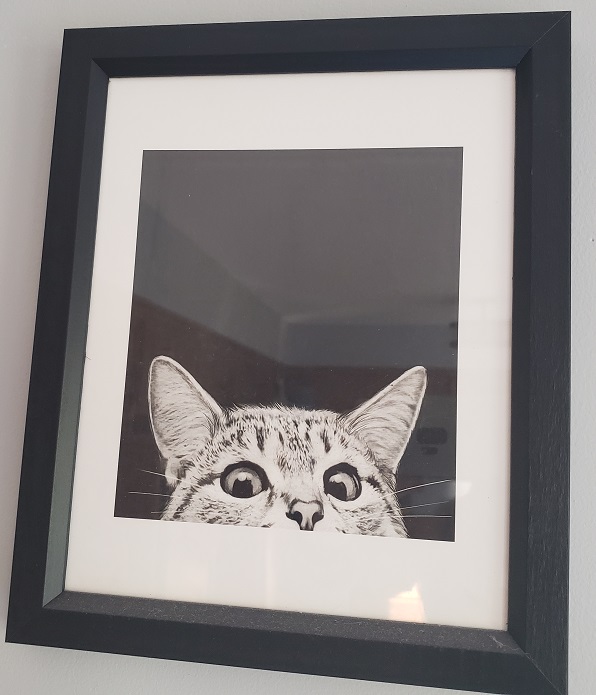
    You would never think to put the Mona Lisa in an orange plastic frame, would you? Of course not, because frames should enhance a work of art, not detract from it. The right frame borders the image, complimenting the subject and showcasing the work. The right frame makes sense.

    Volunteer added value is a complex and beautiful picture. The stories we share about our volunteers connecting with clients, serving our missions and advocating for our organizations are inspired, and meant to be viewed with appreciation. The value our volunteers bring needs the right frame.

    However, without the proper frame, throwing out super positive phrases about our volunteers can be like this board. “Volunteers are selfless,”or “Volunteers give so much,” can be so broad and gooey that the meaning is lost. If every message about volunteers is so wonderful, so inspiring, so amazing, so terrific, the message becomes diluted and nothing is wonderful or inspiring anymore. It’s just noise without form. If we make volunteers seem like magic faeries that just rise from the garden and buzz on over to do good work, we diminish the effort they bring and the work we do to develop and ready them.

    We have to be honest about volunteer management and its complexities. We need to share the challenges along with the feel-good stories. Volunteer synergy (those pure mission moments when a volunteer connects with a client or helps a staff member or solves a problem) does not occur by happenstance. Those moments are the result of a volunteer manager’s diligence, practice and experience. Synergy occurs because the volunteer manager vetted the volunteer, oriented the volunteer, matched the volunteer’s skills and needs to an assignment, and courageously stepped in to guide the volunteer on a successful path.

    Photo by Nadine Wuchenauer on Pexels.com

    We, volunteer managers are the frame. We are the right frame, the best frame, the correct frame. Our attentiveness, our tenacity, our persistence, our determination, our sincerity and our resolve shape the volunteer experience. We surround our volunteers with the knowledge, tools and encouragement volunteers need to create a complex work of art. We “become” the frame each volunteer needs. For some volunteers, we are the ornate, gold frame and for others we are a simple black band receding into the background.

    Without our guidance, volunteers are simply pictures taped to organizational walls. These haphazard pictures curl up; they fall off and they yellow. But, when we frame volunteer engagement and impact, we create an art gallery that has a flow, that makes sense, that is ordered and sustainable.

    International volunteer managers day was yesterday (November 5). The theme for this year was Change the Tune. We talk about change all the time and I think we need to ask ourselves, “what exactly do we want to change?” How we engage volunteers? How we encourage, develop, inspire and mentor volunteers? How we drop everything to make sure volunteers are successful? How we put volunteering ahead of our own personal needs? We’ve got all that down.

    I think what we need to do is to frame our critical role in volunteer engagement and impact. We need to stop allowing organizational leadership to think that engaging volunteers takes little effort. We need to stop allowing organizations to view volunteers as tools and not as complex human beings that require thoughtful management. We need to stop allowing organizational leadership to assume that volunteers don’t need support from every staff member. We need to stop allowing organizational leadership to plan volunteer involvement without our expert input. We need to stop allowing organizations to operate in an outdated normal and instead embrace the here and now by investing in the volunteer manager frame that surrounds volunteer programs.

    We are a profession. We deserve recognition befitting our expertise, our hard work and our skills. No one will just magically give it to us. We must stop glossing over the work we put into developing volunteers (by vetting, onboarding, training, supporting, stepping in when necessary, sustaining and encouraging) who successfully support and further organizational missions.

    In Rob Jackson’s latest post, he lays out real solutions that will move our profession forward. You can read Rob’s post here.

    So, this International Volunteer Manager Day, the change I want to see is one in which we elevate our critical role and become the “frame” around vibrant, contributing volunteer teams.

    We’re leaders of volunteers. We got this.

    Happy International Volunteer Manager Day to all of you frames out there.

    -Meridian