Tag: part time volunteer manager

  • Need Inspiration? “Progressive Organizations Don’t Want Bosses, They Want Team Leaders and That’s What You Are As a Volunteer Manager.”

    Sally Garrett
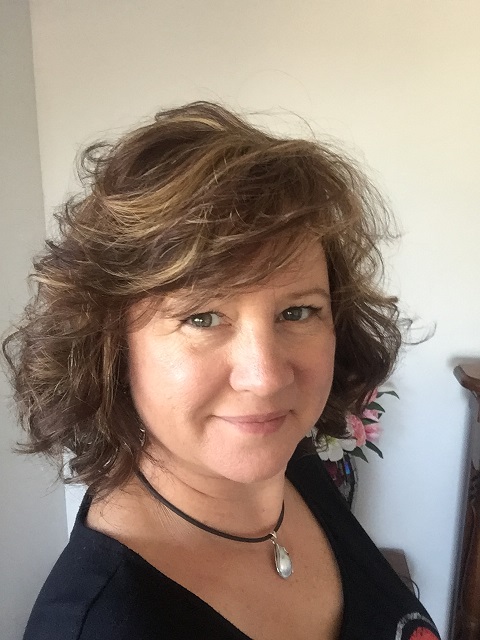
    Sally-Ann Garrett

    Do volunteer managers possess the skills required to succeed in the corporate world?

    I recently had the pleasure of interviewing Sally Garrett, a recent leader of volunteers who has taken a managerial position in the world of retail. Sally was the manager of a St. Vincent de Paul depot, an Australian branded “Vinnies” retail thrift store, the highest grossing and net profit store in Western Australia while under her leadership.

    VPT (volunteerplaintalk): Can you briefly describe your current job?

    S (Sally): My Current job is as a Retail Manager of a lifestyle super store with 26 paid staff.

    VPT: How long have you been in this position?

    S: I have been here 1 month.

    VPT: Before this position, what was your job as a volunteer manager?

    S: I ran a large not for profit processing and pick up depot and retail outlet.

    VPT: How long were you in that position?

    S: Two and a half years.

    VPT: What skills do you feel you developed as a volunteer manager and how did they translate to the position you now have?

    S: The biggest skills I developed are empathy, patience, organizing people, time management and being able to teach others that they are more than they believe they are.

    VPT: What skills helped you the most in moving into your new position?

    S: I guess because I had been rostering and managing large volumes of people all doing small roles, the biggest skill that has helped me in my new role is patience. You can’t rush volunteers and you develop a skill of being able to step back and look at the bigger picture all the time, so it became a habit to stop, look and listen. This has helped so much in my present job, because as I have a lot to learn, I am not at all overwhelmed. I am much more rounded in my approach to my team and I listen a lot more and act less, but it’s action with conviction. This means when I do act, it is for the long-term and not the short-term.

    I have already found that many people can sort out problems for themselves and become self autonomous rather than needy. I can quickly detect when people are good at what they do or need better training because I’m watching them and listening. I’m not trying to learn their job so much anymore, but placing acknowledgment in what they can do. This has made my new team feel more confident and then their skills began to shine.

    The second skill is having learned to not take credit for what others do, but rather celebrate their gifts and achievements. I don’t feel the need to own others’ successes. I have developed the ability to lead, not manage.

    The third, most important skill is that I don’t take anything personal. I am impartial to people because I know it is about them not me, and every action someone takes says things about them, not me. So, if someone is frustrated they may call me names or tell me I am not doing my job but this translates into the fact that they are telling me they need more training and are feeling overwhelmed or vulnerable. This took a long time to learn. I always thought I was doing things wrong in this situation until a volunteer pointed out to me that the other 120 people loved what I did and felt supported, so once this skill kicked in it just meant going back to basics and taking time for a cuppa and a chat and getting to the real problem which was 100% of the time the person left feeling vulnerable for some other reason.

    VPT: When you accepted this new position, did you find that your volunteer management experience helped you get the job? Any actual feedback from your new supervisor on your volunteer management experience?

    S: When interviewing for the position I applied for, I was calm and confident as I knew I had become a leader and not a manager so the interview process was easy and effortless. I had nothing to prove; they either wanted my skill set or they didn’t. If I wasn’t a good fit, I didn’t want to be there.

    I was asked to take on a much larger role than I applied for in the interview; the position was in another shop as they felt I would be of value in that role with a larger team and a busier store. As it turns out I came across as soft and compassionate but with a deep knowledge of people. This is what progressive organizations want. They don’t want bosses anymore, they want team leaders and that’s what you are as a volunteer manager.

    VPT: Are there skills that volunteer managers lack, or do not realize are important if they are seeking jobs other than in the world of volunteerism?

    S: Acknowledge your value!

    I believe a volunteer manager is much more qualified at team leadership than anyone gives them credit for, including themselves. It is a huge task being a volunteer manager and when in the role it doesn’t feel it is that important, but you touch the very core of people when they are a volunteer. Because they aren’t there for money, you find out more of what makes people tick so translating that to paid staff roles, you are able to make your staff really feel cared for when they come to work.

    You have developed an ability to shut the work-space out and make eye contact and listen to them and answer their questions. whether it be personal or work related. You have developed the ability to validate people, and that’s what our world needs more of. You are also able to adapt quickly because volunteer management deals with absences regularly.  You know how to get work done with few, if any help. Acknowledging the confidence that you know it will get done when the team is there, gives you a calmness and that drives people to help more and work harder. People love that you are in control and that you  appreciate their efforts rather than stressing and then making them feel less when they are giving more. All volunteer managers develop this skill.

    VPT: How can volunteer managers prepare themselves to enter the world of corporate management?

    S: Be the very best version of yourself, it’s really that simple; being authentic and not promising things you can’t deliver, the rest falls into place. When you develop the calmness of self-confidence, you can learn anything; the skill of managing people is the highest of all skills you need in life and work and you have that in the bag once you are a successful volunteer manager.

    VPT: Is there any advice you would like to give your fellow volunteer managers?

    S: Give them (volunteers) 15 minutes undivided attention and induct, induct, induct!

    Make sure when your volunteers start, you have given them your time whether it is 15 minutes at the start or the whole induction if you can, that time is what the volunteer remembers, because volunteers revere you; they know how hard your job is and they see you as their guiding light. If you only knew how powerful you are you wouldn’t worry about a thing. But that’s where volunteer managers are the most successful. We don’t settle for second best because it always has to be the best. Aiming for the stars on every task is what we do. Landing on the moon is not good enough for us, but it’s great to everyone else. 

    Know you are saving lives!  There is a high number of volunteers that are volunteering due to mental illness preventing them from holding down a paying job. Know that you are potentially providing the healthy, stable and compassionate environment that these people need to gain new skills and give their life purpose. It surprised me to be told on three occasions that it was because of me, personally that three people got up and tried again another day rather than ending their lives. It both shocked me and made me seek help myself to understand my role more fully. The knowledge of each person over my time in Volunteer Management truly made me see how I changed lives and how powerful and responsible my role was and how important it was to be transparent in all I did. I had to understand that it wasn’t my responsibility to take this knowledge on board personally and that it was only a part of the role. But the knowledge was confronting and it changed my dealings with people. Compassion isn’t being weak, it is the exact opposite.

    Relax more and stress less, develop the ability to tell people they can do it on their own. Softly, gently encouraging and convincing people they are wonderful and able, is the greatest skill ever. It is the most productive management tool in the workplace.

    What incredibly inspiring words for leaders of volunteers. Thank you Sally for sharing your wisdom and experience with us. All the best to you in your new position. They are very fortunate to have you on board.

    So, the next time all of you volunteer managers feel under appreciated, remember these words from Sally: I was asked to take on a much larger role than I applied for in the interview; the position was in another shop as they felt I would be of value in that role with a larger team and a busier store.

    Volunteer management matters.

    -Meridian

  • Interview With A Volunteer: Ellie

    contacts

    We all know volunteer feedback is invaluable, during and after projects and assignments. There is also value in gathering feedback from former volunteers who have had the time to process their experiences and take aways.

    Recently I was able to catch up with a retired volunteer, Ellie, and I asked her to look back on her years of volunteering for a hospice.

    VolunteerPlainTalk (VPT): How many years did you volunteer?

    Ellie (E): (laughs) “oh about 18.”

    VPT: That’s a long time.

    E: It was a long time, but it was good.

    VPT: What was your favorite part of volunteering?

    E: Hmmm, my favorite part. I liked the idea of giving and I always felt that I was receiving so much in return, but I guess you hear that a lot.

    VPT: Do you remember the beginning?

    E: Yes. I remember my training. At the end of training, the volunteer trainer handed me my first assignment. She told me that she believed I was ready. And she took me over to the window and pointed to the house of the person I was assigned to. She sort of let me know that it wasn’t far away and I would be close to help if I needed it.

    VPT: How did that go?

    E: I was nervous, but I felt prepared.

    VPT: Was your first assignment the impetus that kept you going?

    E: Actually, it was my first long-term patient, who came right after. We became incredibly close. Before she passed away, she said that she had added one more daughter to her family. And shortly before she died, she called me in and said that she needed to know that I was going to be ok. The extent of our connection was something I never expected.

    VPT: How much of a role did your volunteer manager play in your success?

    E: Oh my goodness, so much. The fact that my trainer and my supervisor, Jim trusted me, had faith that I could do this was huge. And, I always felt that if I had a question, he would be there. I remember I was sitting with one patient whose wife had a part-time job. He had a morphine drip and he thought it wasn’t working and he said to me, I don’t understand why this is not working, can you find out? Now, I have no medical knowledge at all, but I immediately got on the phone and my supervisor got me to the right person. That went a long way to building my self-confidence.

    VPT: So, having someone to contact was hugely important.

    E: Absolutely. I always counted on being able to knock on his door, go in and receive the support I needed.

    VPT: You are also a thirty year now retired school teacher. Why did you volunteer at a hospice and not with children?

    E: (laughs) I think I needed to do something different. After my husband died so young, I felt like I wanted to do something that was meaningful.

    VPT: Did his death influence your decision to volunteer for a hospice?

    E: I don’t think so. It was over three years between his death and my decision to volunteer.

    VPT: How did you find hospice?

    E: I saw this ad, and I knew right then it was a way to fill my life with some meaning.

    VPT: So, there was no magic formula for recruiting you?

    E: Sorry, no.

    VPT: Many people think hospice volunteering is depressing. Were you burdened with sadness?

    E: No. It was quite the opposite. It was fulfilling.

    VPT: Was there any opportunity for fun?

    E: Oh, my yes. I had so much fun with the staff. We let loose all the time. The seriousness of our work was a contrast to the silliness we experienced. I remember the time we made over 100 pumpkin pies for a Thanksgiving dinner in our care center. We laughed the whole time. Having that fun kept us wanting to do more, you know what I mean?

    VPT: I do. Was having fun a good use of your volunteer supervisor’s time do you think?

    E: Absolutely. Life is full of balances. The balance between serious work and letting off steam goes a long way to bond us together. It strengthened our team.

    VPT: I’m pushing here, but I wonder. Have you ever connected your losing your husband, the man you had planned on retiring with, and your work in hospice?

    E: Ehh, no. I just know that I had a lot of years to give and it was a way to fill my life with some meaningful work.  But I do remember one year, I signed up to volunteer at a children’s grief camp.  That day, while driving on the way to camp, I thought about all the little kids who were coming. They had all lost someone important in their lives and I had a little meltdown. I missed my husband.

    VPT: That must have been tough.

    E: I thought about these kids and it occurred to me that I went through this years ago. It brings something home. While I was there, we had a ceremony at night. I was really grieving for my husband. It comes when you least expect it. Sometimes you have an epiphany to a particular circumstance you’ve been through. It was almost like a total realization I had been through a significant loss and I released that.

    VPT: I’m at a loss for words.

    E: I even had grief counseling after his death. But my meltdown shocked me. I thought I had processed the grief.

    VPT: So, in retrospect, did your volunteering have a personal positive impact on you?

    E: Oh my, yes.

    Next time: Part 2 of this interview. Ellie moved away from her hospice, but she stopped volunteering before she moved. Why?

    -Meridian

  • Volunteering is All About Helping, Isn’t It?

    Volunteering is About Helping, Isn't It
    Let’s hope for the best

    “No good deed goes unpunished.”   … Oscar Wilde

    “I couldn’t stop, not after I’d been with her for so long.” Volunteer Jill spoke of her decision to keep seeing the client assigned by her volunteer manager, even though the client was no longer on the program. “Aren’t we supposed to be helpful? I mean, I have a strong connection with her and her family. I can’t just pull the plug.”

    “I didn’t see the harm,” said Miranda, Jill’s volunteer coordinator. “I felt it would be cruel to keep Jill from continuing this great connection. But then, my CEO summoned me the day this former client called in to complain. It seems that Jill gave the client some advice and the client thought she was back on our program.”

    What do we do with volunteers who want to stay with clients after the client no longer is receiving our services? If we’ve made a meaningful match between volunteer and client, then we understand how hard it is for the volunteer to pull back. Severing the relationship seems cruel. Besides, don’t volunteers have free will?

    Although this situation appears muddy, it really is crystal clear: The relationship forged with the client belongs solely to the organization. Staff, contractors, and volunteers all participate in the organization’s relationship with a client. None of us would have created a connection with this client on our own, therefore we do not have a personal relationship. When the organization severs that relationship, we are done.

    It is one of those tricky realms where clear boundaries, policies and documentation is crucial. If you no longer provide support for the volunteer’s efforts because the client is not in your care, the volunteer is then free to establish their own boundaries and set their own limitations.

    Here’s the question: Should a mishap occur, will the family have a clear understanding that the volunteer is not representing your organization?  That lack of understanding can become a liability nightmare.

    What steps do we need to take when a volunteer feels they must continue to help a former client or family member?

    • Include organizational ties vs. personal ties during orientation, induction and training. Make sure each and every volunteer is aware that they are part of a team, and not individually forming relationships with your clients.
    • Have a clear policy already on paper. The strictest policy would be to fire the volunteer. Or, you may place the volunteer on a temporary leave. Or you might place the volunteer on suspension. Or, you could trust the volunteer to act in a professional manner and monitor their behavior. The point is, have a policy to follow.
    • Communicate with everyone involved. Communicate your policies and boundaries with your volunteer.
    • Speak to the former client. Explain that your volunteer is continuing to be involved as a private citizen, but this means your organization does not support or back the volunteer’s actions.
    • Explain to staff. Be up front, tell appropriate managers and staff and show them the steps you have taken to ensure no harm will befall the organization, client or volunteer.
    •  Document every step of this process. Draft a letter to the client outlining the conversation you had with them and keep a copy in the volunteer’s file. Have the volunteer sign a statement absolving you of all responsibility concerning their actions.

    Connecting volunteers with clients is one of the most satisfying outcomes of our profession. Witnessing a bond formed between volunteer and client is immensely gratifying. Having to cut those ties can be frustrating and painful.

    But we have to remember that not all aspects of our jobs will be easy. At times, we must do the hard things, the necessary things in order to maintain a professional program.

    Leadership means developing the strength to confront and manage the harder parts of engaging volunteers. And elevating volunteer management means becoming a strong leader.

    -Meridian

  • Induction vs. Orientation: The one year volunteer committment

    Induction vs. Orientation

    Two volunteer managers, Jessup and Chloe were both excited when the brought in new volunteers.

    Jessup, who manages volunteers for a start-up, said, “I was asked to find volunteers to help with our kick off campaign. I brought in a trio of talented volunteers and one of our marketers patiently showed them what needed to be done. The volunteers did exceptionally well, but they didn’t stay with us very long. I had to recruit again and again.”

    Chloe, meanwhile, who manages volunteers at a different start-up said, “I recruited a few volunteers to help with our kick-off. I was a bit worried because the volunteers were from varied backgrounds and had really different talents. But, you know, although it took them a bit to get going, all the staff here helped out. Those volunteers are still with us today.”

    Volunteer retention is a nuanced and complicated concept. Some parts of it can be controlled and some cannot. But one thing we can control is induction and orientation. Why does a seemingly perfect volunteer become disinterested? Why does another volunteer fit in like a glove? How do volunteers gel with the mission?

    Let’s look at induction and orientation: Can we get away with offering one and not the other?

    Induction is the formal process in which to introduce a volunteer to their job. (the mechanics)

    Orientation is the integration of the volunteer into the organization. (the gel)

    Jessup’s organization lost volunteers because they did not orient them. Chloe’s on the other hand, used both induction and orientation.

    As volunteer managers, we need to use both induction and orientation to retain great volunteers. And, our entire organizations must be involved. Here is an example:

    Induction:

    1. Volunteer manager shows volunteer where break room is, supplies are kept, what the policies are, etc.
    2. Staff member who best knows the job shows volunteer how to do the work, where bathroom nearest station is located, etc.

    Orientation:

    1. Volunteer manager welcomes, presents organizational goals, history etc.
    2. CEO welcomes volunteers to organization, emphasizes contributions from volunteers.
    3. A seasoned volunteer is paired with newbie to mentor and encourage.
    4. Staff introduces themselves to volunteer, thanks, offers assistance, assures volunteer they are appreciated and part of team.

    Both induction and orientation are vital to engaging volunteers. If we make them feel a part of the team, but do not give them the knowledge and equipment to do their jobs, they will leave. If we give them all the training in the world, but do not integrate them into our mission, they will also leave.

    And here’s the thing. Most of us toy with the idea of having a volunteer sign a one year commitment. But maybe that’s just backwards. What we might do instead is ask our entire organization to sign a commitment for each and every volunteer. This commitment would look something like this:

    I, the undersigned, ___________________________ commits to do my part in  orienting, inducting and engaging each and every new volunteer for as long as that volunteer is ethically representing our organization and mission.

    Ask the CEO to require each staff member to sign this commitment. And maybe if you are feeling a bit ambitious, you can point out that volunteer engagement should be part of each employee’s yearly evaluation.

    Woah, be still my heart.

    -Meridian


  • We Should Start Our Own Cirque du Vol Show To Raise Money!

    We Should Start Our Own Cirque du Vol Show To Raise Money!

    After Harry closed the door, Rasheem just sat for a moment, allowing himself to refocus. “Harry is one of those volunteers,” he said, “whose brain is constantly on the move. He is forever suggesting ways to improve and ways to reinvent. Often his ideas have nothing to do with the volunteer department. No, often he wants me to bring his ideas to marketing, fund-raising, finance, administration, and just about every other department we have. He’s not critical, but rather a great volunteer and he just wants us to be the best. But, this is exhausting.”

    Some volunteers are their own whirling mini brain trust.  They see a challenge or an area that needs improvement and their minds go into overdrive. Funny thing is, most of the time, they’re right and you can see their point.

    But when they come to you with their ideas, all you feel is the burden that comes with one of these choices facing you:

    1. Present the new idea to the appropriate person/dept and become a stressed middle man/woman.
    2. Tell the volunteer that while the idea is valid, this is not a good time.
    3. Refer the volunteer to the department in question and hope that they do not brush him/her off.
    4. Fib and say you’ll look into it and string the volunteer along for as long as you can.
    5. Quit-which is cowardly, but feels like the easiest thing to do.

    Each choice presents such a VM burden that just hearing the words, “I have an idea,” sends you into a catatonic state. You begin to create little hiding places in your office so that you can slip under your desk, hands over ears, mumbling “If I don’t acknowledge it, it doesn’t exist.”

    The question then becomes: Are volunteers just there to do what is asked or do volunteers bring vast amounts of creativity, knowledge, energy and experience to our organizational table? We, VM’s know the answer. So, what do we do? Besides quit.

    One way to handle a volunteer improvement idea (vii)is to start a volunteer think tank. Gather your most creative volunteers and ask them to sort through each vii. Let them decide which ones are worth pursuing.

    And here’s the thing about vii’s. They take an enormous amount of work to implement. No wonder marketing doesn’t want to hear how a cirque show will bring in loads of publicity. They’re busy with 50 other organizational ideas that they need to implement.

    And while vii’s are lovely concepts, it is the results that matter. A think tank can pilot a program on a small-scale and present the results. Ask them to work on one project at a time to keep from overwhelming the system.

    Your volunteer think tank wants a cirque?  Pare that big vii down to a manageable beginning.  Maybe they can hire a juggling clown for a marketing event so the kids in attendance will be entertained. See how that goes. Tell the think tank to: Start small. Get results. Gather stats. Take pictures. Tell the story. Compile feedback. Then do it all again.

    We all have great ideas. But, ideas without the willingness to do the hard work are worthless. Instead of hiding under your desk, throwing your volunteers to chance, and  passing ideas on to other swamped departments, create a volunteer think tank and put those creative ideas to this test: Are we, the volunteers who believe in this great idea, willing to pilot a smaller project to prove that it is viable? And are we willing to put in the hard work in order to show results?

    If the answer is yes, then who knows? The volunteers may start with a juggling clown. Then they’ll add acrobats. Then a full-blown cirque du volunteer may result. And you may just keep your sanity.

    -Meridian


  • Our Mokita Is In The Room

    our-mokita-is-in-the-room

    Mokita is a New Guinea word that speaks of a “truth we all know but agree not to talk about,” which can more easily be translated into “the elephant in the room.”

    Do we, volunteer managers have a Mokita stomping around our offices?  Do we put our fingers in our ears when it trumpets? Yeah, I kinda think we do. So what is it? What big elephant are we ignoring when it knocks reports off the shelf and whacks us with its trunk as we work?

    We, volunteer managers are at war within ourselves.

    Yep, I believe we are. See, on one hand, we are givers, nice, humble, stand in the background types who push our painstakingly cultivated volunteers to reach for the sky. We fade into the shadows while putting everyone ahead of ourselves-the volunteers, the clients, staff, administration, the board, the donors, everyone. Very noble, right?

    On the other hand, though, we secretly would like to do a little taking. Somehow we magically hope our organizations will recognize the work we are doing, will appreciate all the sacrifice, and will actually see us in the shadows and give us the respect we have earned. We want a seat at the adult table. We want more than just individual volunteers honored once a year. Truth be told, we want our programs and yes, ourselves recognized as well . Selfish, right?

    And when no one sees us in the corner, we get frustrated. We feel beaten down, unappreciated, misunderstood. We can become bitter and angry. We can quit and go work at the Tire and Lube Store down the street or we can stick around and watch the elephant grow bigger on the peanuts of continuing letdown.

    It is our Mokita-our deep appreciation for being humble and giving versus our frustration at not being recognized for our humility and giving nature. And it is our inner turmoil in refusing to ‘sell our souls’ to become selfish in wanting to fix this. It is the elephant that constantly bumps our desks and breaks our spirits. Those silent pretty elephant eyes look accusingly at us and ask, “will you cease to be that nurturing person if you demand some respect?”

    So what do we do? Are we doomed because nice guys really do finish last? Or, are we, as a profession, awakening from under the blanket of background existence woven from fibers of frustration? Can we somehow balance our give and take and still maintain our cultivating spirits?

    What do you think? Well, here’s a question for you to ponder: Do you think volunteer managers should rise to Executive Director positions? If you hesitated, even for just a teeny bit, the Mokita is strong with you.

    Next time, some thoughts on Mokita: Do we have to live in the shadow of the elephant?

    -Meridian

  • The Honestly Honest Truth

    the-honestly-honest-truth

    Brad sighed. “I haven’t had a response from our volunteer, Ashwan in several months. He hasn’t answered emails or phone calls, or come to our monthly meetings. He was a good one. I just don’t know what happened. Did we do anything wrong?”

    This frustration ranks up there along with wondering why I was never employee of the year. Why do good volunteers fade away? Why don’t they tell us the truth about why they leave? Why aren’t they honest with us? We’re really nice people and we listen, right?

    Well, maybe because we need to be more than honest with volunteers right from the start. We need to be honestly honest.  Oh sure, we say to them, “hey, this volunteering might not be for everyone,” but doesn’t that just smack a bit of sanctimonious superiority? Doesn’t that just have an undercurrent of “oh, our volunteering is only for the good volunteers, and that’s probably not you?” If someone said that to me, I’d be looking for the nearest door and planning my exit move too.

    Maybe the breathy tales of our great volunteers can be a bit, well, off-putting for new volunteers. Who wants to have to live up to a Gandhi or a Mother Teresa?

    Maybe, instead of peppering our new volunteer training with story after story of long-term volunteer successes, we could also talk about volunteers who leave and how that’s ok.

    Maybe we could say things like:

    “Take our volunteer Shirley for example. She only stayed with us for three months, but we are so grateful for those three months. We still keep in touch with her. No matter how much or long you are with us, when you’re done, you’re done. Only you know when that is. And that’s ok. All volunteers leave and each volunteer that leaves has made a huge difference and trust me, we are grateful for each one.”

    “Volunteer Craig left after he tried a few different positions and found that they weren’t what he was looking for. Let’s be honestly honest here. We MAY FAIL YOU. Yes, that’s right, we may not intend to, but we may seem to take you for granted, or fail to use your skills. We’re human too and we want to fix things, for you and for other volunteers, so please, tell us when something is not right, because we are not perfect. Craig discussed this with us and we fixed some things because he shared his experience.”

    “Believe it or not, we don’t expect you to stay forever! And believe it or not, losing interest or moving on is something we experience all the time. That happened with our student volunteer, Sheri. She finished her degree and moved on. She got what she wanted from her experience here and took those skills with her when she left. That’s great! You are growing and changing and so are we. Nothing remains the same and if you find yourself feeling restless and wanting to move on, let us know. We want to have the opportunity to talk about it with you. Please don’t rob us of the chance to say thank you.”

    “If you find volunteering elsewhere a better fit for you, let us know so we can send a great recommendation along with you. All volunteering is good work and we are not in competition with other organizations. Our volunteer Marvin found that another organization was a better fit for him. We were so pleased that he took his volunteering to the next level. He comes back and helps us with special events and we love to hear about how he’s doing.”

    Every volunteer leaves a lasting impression on us. And while we strive to make volunteers comfortable with us, they may not be comfortable enough to share the reasons they leave. They may just think that our conception of a good volunteer revolves around how long they stay. Then, when they fade away, we lie awake and night and wonder why.

    So why not be honestly honest from the beginning and try to make it easier on them. And ultimately, easier on us too.

    -Meridian

  • A Corporate Volunteering Interview

    corporate-volunteering-interview

    I was really lucky to catch up with and interview Sadie, a busy mother and professional who took charge of a corporate volunteering event this past December for her financial firm. Here is the interview:

    VPT(volunteerplaintalk): Thank you for speaking with me today. I understand that you took the reins on a corporate volunteer project over the holidays?

    S: Yes, my firm allows us 4 hours of paid time to volunteer and I wanted to do something myself around the holidays because it felt like the time to give back. And because our 4 hours does not accrue for the following year, so I either had to use the time or lose it.

    VPT: How were you chosen to head up the corporate volunteering event?

    S: Quite by accident. I was just looking to fill my 4 volunteering hours.

    VPT: So you had planned on only volunteering yourself?

    S: Initially, yes, along with one of my friends.

    VPT: Did you find the organization you chose on your own or did they reach out to you?

    S: I found it on my own. It is a local toy drive put on by a local city organization and my mom had done something similar in Florida and I thought it would be a festive, holiday experience and I know that there is actual work that needs doing during the holidays to pull off these events.

    VPT: How did you end up doing a corporate volunteer event?

    S: Well, I approached my HR department to see if this organization would count towards my 4 hours and they told me that a number of employees hadn’t yet taken advantage of the volunteering hours for the year. They asked me if I would take charge of making it a corporate volunteering event and I agreed.

    VPT: How did you feel about taking charge?

    S: I really didn’t mind, because at our firm, we run projects, and so we are often in charge of other team members. But I will say, that there is more pressure when you are trying to create a worthwhile experience for a group. You don’t want to waste your fellow volunteers’ time.

    VPT: So, how did you set up this volunteering event with the organization?

    S: Well, I went to their website and saw that groups could volunteer. There were several categories, including sorting toys and food, setting up and also volunteering to help the people shop on the giveaway days of the event. I wanted our group to volunteer on the day they actually gave away toys and food to needy people, because I thought that it would be very meaningful for us.

    VPT: And how did you sign up?

    S: There was a place on the website to sign up for a particular date, so I did that with the names of the members of my group. I signed up two groups on two successive days. I also called the number listed on the website and left a message, because I wanted to make sure that my sign-up was recorded and I did have a few questions.

    VPT: And what did you ask when they returned your call?

    S: I never did get a return call.

    VPT: What? No one called you back?

    S: No, no one did.

    VPT: Did you try again? Did you get a confirming email?

    S: I called again and left a message. I did not get an email either.

    VPT: Were you worried at that point?

    S: Yes, very. I was now responsible for my co-workers’ volunteer hours, and time was running out on the year.

    VPT: What did you do?

    S: Well, I was very busy, what with all the family things to do and at work we had some projects with deadlines, so I waited for some sort of acknowledgement.

    VPT: Did it come?

    S: Luckily, yes. When I was about to look for another volunteer opportunity, I received an email asking me to sign up again through a website called signup genius. I clicked on the link and re-signed the  two groups for two separate days.

    VPT: Did you get a response then?

    S: Yes, an automated one from signup genius saying thank you and confirming.

    VPT: But no personal response?

    S: No, none. I did get a reminder from signup genius, so that was helpful.

    VPT: Was that enough?

    S: It would have been reassuring and helpful to get a personal phone call or email, but I just trusted that we were good to go.

    VPT: And did you inform your group that you were good to go?

    S: Yes, I forwarded the confirmation email to them with their names listed.

    VPT: Did you meet with your group before the event?

    S: No, we did not meet. It seemed pretty straightforward.

    VPT: Did you have an idea of who and where to report to on your volunteer day and what role you would have?

    S: I was in the day one group, so I could inform the group on day 2 of anything they needed to know. But, no, I had no idea who we were supposed to report to or where. I did have the address, though.

    VPT: And so, in good faith you just…

    S: (laughs) We just showed up.

    VPT: And how did it go?

    S: Well, parking was a real issue and we couldn’t figure out how to get into the building..

    Sorry to cut it off here, but the interview is longer than one post. Next time-what happened on the day of volunteering: The conclusion of Sadie’s interview.

    Thanks and have a great week!

    -Meridian

  • Your Volunteer Manager Horoscope for 2017 Part 2

    your-volunteer-manager-horoscope-for-2017

    …and the rest of the volunteer manager horoscopes for 2017 are…

    Leo
    July 23 to August 22

    This is a very social year, and a lunar eclipse in Leo awakens your self-awareness, giving you the confidence to advertise your many program successes, which means you will wake up one morning, after having dreamed about vicious little Gavin in third grade who always copied off your papers and then threatened to rub your face in his tuna sandwhich if you told, and you will borrow a megaphone from your football crazed cousin who smells like ham and lives in your aunt’s basement. You will don your wizard’s hat left over from your Gandalf Halloween costume and you will arrive early at work, and stand near the front door, fist raised, blasting loudly all the things you’ve accomplished as staff and volunteers arrive. You continue to amplify stats such as “our volunteer team increased by 15% this year, are you listening?!” and “volunteers now have a hotline to call thanks to me,” until you feel a tap on your shoulder and you turn quickly, hitting the CEO in the side of the head with your megaphone which sports a sticker that reads ‘Balls are for Playing,’ knocking his new designer glasses to the pavement, breaking them in half.

    On the flip and positive side, you do think about real ways to trumpet volunteer successes so you enlist businesses up and down the main thoroughfare in your town to post pro-volunteer messages on their marquee signs. These messages announce volunteer stats and words of support and thanks during volunteer appreciation week, which increases awareness and not only brings in more volunteers, but also creates new corporate donor partnerships with your organization. Your CEO forgives you while sporting new glasses and asks you to increase your campaign of awareness, enlisting other departments to help.  (You social guru, you!)

    Virgo
    August 23 to September 22

    Uh, oh, Saturn is still squaring your sign giving you lessons to learn, and encouraging you to take it slow and steady. This means you will suddenly declare your office space a “No Emergency Zone” and you will send out a memo to all staff that you have hand printed on recycled gift paper with scented markers from a co-op in India. The memo reads in part: “Placement of volunteers is no mindless task, like making coffee or calling donors. NO! It is a thoughtful, nuanced and carefully crafted exercise that takes experience, level-headed planning and the most bodacious, artful begging in the world! There are at least 20 steps to making the correct volunteer assignment, and if you need me to read those steps to you, send me a note and I will read them to you when I am good and ready. From here on out, volunteer requests must be submitted no less than three weeks in advance, to ensure excellence in all volunteering assignments.” You will nail a box to your door marked. “Properly Planned Volunteer Requests. No Last Minute Filing Need Be In Here! This means you, too, administration.”  When you smugly open the box the first time, you discover chewed gum, used tissues and a note that says, well, I can’t print it for all the profane language. Your immediate supervisor will force you to remove the box after you submit a volunteer name to marketing one week after their event is over.

    On a more positive side, this is a year of putting down roots, so one afternoon while accompanying a friend who is apartment searching, you come up with an idea for a volunteer education program you call  “Rooted in Learning.” This idea resonates because you have experienced the growth or your volunteers due to their hunger for knowledge about your program. You enlist virtual volunteers to help create a monthly educational newsletter filled with articles, tips and research not only pertinent to the volunteers’ jobs, but also to the volunteers’ personal well-being and development. It is such a hit that it becomes a weekly newsletter with contributions from a growing team of virtual volunteers, who then ask for more work and they begin to aid other organizational departments as well. This new program wins a local award for innovation and creativity. (You innovative master, you!)

    Libra
    September 23 to October 22

    Oh, Libra, Jupiter retrogrades in the spring, bringing rapid change which means that you will suddenly decide after visiting that new Turkish coffee shop  to complete all your pending projects in a weekend you dub, “Rapid Fire Volunteering.” You decide to camp out at your office, bringing in a sleeping bag, toothbrush and soap, and a picture of your ex-partner because the sight of him makes you wildly aggressive. You schedule volunteers in one hour shifts to help you arrange all your notes and binders on the floor and tables in your office and you work non-stop while listening to vintage Prodigy albums. At 4am, a security guard finds you sleeping among strewn potato chip bags, “Firestarter” playing in a loop, and, thinking you are a vagrant, he calls the police.  He pokes you with his night stick and almost tasers you when you jump up swinging because in the dark, the policeman slightly resembles your ex-partner.  The policeman helps you to your feet and then confirms your employment by phone with a very angry and sleepy senior manager. Your organization circulates a memo, initiating a “no sleeping in your office policy,” and they include a picture of a sleeping you, dried saliva running down your cheek.

    But ironically, this energy serves you well and one day, you are in a departmental meeting involving volunteer services, marketing and PR. While listening to the marketing manager talk about their wish list,  you hatch an idea to create a volunteer marketing assistant group. You enlist your most vocal volunteers and with a marketing training course, these volunteers accompany speakers to speaking engagements, providing support, volunteer success stories and that personal touch. The volunteers also contact local groups to book more speaking engagements, increasing your organization’s community awareness, support and donations. (You brilliant thinker, you!)

    Scorpio
    October 23 to November 21

    Good ol’ Jupiter hangs out in your 12th house allowing you to reboot, creating a desire to really recharge. This means that although you pore through brochures about retreats to Nepal, the grim reality is that you can’t afford such a lavish trip, so you decide to go on a pilgrimage right there in your own town. You dress in Buddhist robes and sandals and carry a gnarled walking stick that you name “Metaphysical Mike” and begin your odyssey, quoting the Dali Lama as you walk through the main shopping area to raise awareness of volunteering. One morning, while pausing in front of Donna’s Diner to adjust the placard around your neck that reads “non-violence is volunteering,” you are approached by a man dressed in fur. He claims to be Sasquatch and although he just wants to hug you, you defensively bonk him on the head with Metaphysical Mike. He backs away, knocking over the diner’s cute cafe tables and Donna herself comes out to yell, but you hike up your robes and run. You finally breathlessly stop outside your office building, where a group of retired seamstresses are politely waiting for a tour of your organization. One of the group’s members is a volunteer who happily announces, “Oh, here’s our volunteer manager. She’ll take us on a tour!” Trapped, you lead the group through the building, your dirty and tattered robes falling off as you raise Metaphysical Mike and point out a startled group of administrators having lunch.

    On a saner and positive flip side, you do create a retreat for your volunteers, enlisting the services of your town’s business owners. You feature alternative therapies, such as yoga, massage, healing touch, reiki, and aromatherapy in a day of “Recharge and Refresh.” It is a resounding success and your CEO asks you to head up a committee to create annual staff and volunteer retreats. You agree and find that you are now recruiting more alternative therapy volunteers who go on to create innovative and meaningful programs for your clients. (You freakin’ guru, you!)

    Sagittarius
    November 22 to December 21

    Since your ruling planet is in your teamwork zone, you are pumped to make teamwork a priority and after spending an evening at a local sports pub because your friend wanted to meet the cute new bartender, your mind is swirling from all the television sets broadcasting various sports channels. While watching extreme sports, you decide to create your own team atmosphere by hand printing shirts for your volunteers that say, “Team Bestest Ever.” You wear a cap proclaiming yourself “Head Coach of Team Awesome” and one afternoon, you pass out pom poms to all employees in a staff meeting, claiming that they are the cheerleaders for team volunteer. You then pull three random staff members to the front of the room and attempt to lead them in a cheer, asking them to respond to your cheers by shouting “volunteer:” “Who’s the team that’s underappreciated? Volunteer! Who’s the team we fail to notice? Volunteer! Who’s the team that everybody should be thanking but don’t cause we don’t really know what they do and how complicated it is to keep them engaged? Volunteer!” When you realize no one is participating, but rather looking at you in total shock, you sulk back to your seat and sit down. You then are made to take down all the posters you have put up all over your organization, especially the ones that read, “Team Volunteer is Smarter Than Team Finance” and “Team Volunteer Challenges Team Grant Writers To a Cage Fight!”

    Thankfully, when the talk of your ” epic breakdown” fades away, a more positive team idea formulates. You create teams of volunteers made up of a mix of seasoned veterans, new volunteers, prospective volunteers, varying age groups, gender, culture etc. to promote a spirit of volunteer teamwork. The ensuing by-product is these team members support one another, disseminate crucial information, fill in for one another when necessary and work at retaining the members of their group. It is a teamwork win-win and your organization asks you to help recreate the concept for staff which infuses a positive and recharged organizational spirit. (You winning coach, you!)

    Capricorn
    December 22 to January 19

    Saturn rounds out a tour through your 12th house, meaning you will reveal many hidden things and so, one night while reaching for another tissue while watching “How to Train Your Dragon” again, you conjure up a volunteer department based on honesty and revelation. The next day while speaking to a volunteer who asks why she wasn’t told there were no chairs for her to sit upon at the table she manned during the last community fair, you try out your new communication style and answer, “Well, because Doris, the manager of PR, didn’t tell me that we needed to furnish our own chairs.” And in a fit of honest lunacy, you add, “let’s go up and give her a piece of our minds!” Horrified, the volunteer reluctantly follows you up to administration where you rap on Doris’ door, smiling sweetly at your petrified volunteer. When a puzzled Doris invites you in, you point to your volunteer and say, “our volunteer has something to say to you. Go on, be honest.” At this point, the volunteer bursts into tears and runs from the office, bumping into another volunteer who just collated 100 copies of the new procedures manual. Both volunteers drop to the ground, sobbing while gathering the scattered pages and you end up spending your day re-collating the manual and apologizing profusely. Doris, meanwhile bans you from her office for the next three months.

    When fellow staff stop avoiding you, you feel the time is right for your volunteer department to spread some much-needed positive joy within your overworked and stressed organization. You obtain permission for your volunteers to read “words of joy and inspiration” at staff meetings. The volunteers recount some of their personal journeys and experiences while volunteering and these 3 minute episodes are a huge hit with grateful staff. Based on the new-found camaraderie, your volunteers decide to create a “spa day” for overwhelmed staff, an event that features massage, and art therapy and stress relieving journal writing. Spa day becomes an eagerly awaited yearly staple and fosters a new appreciation for volunteers.(You wicked good leader, you!)

    Well, there it is! After she rolled up the charts, Ms. Crystal Ball-Starrzowie wiped the sweat from her brow, either because she had worked really hard, or maybe because the broken furnace in her basement kept running on super high, I’m not sure which. But she did grab my face, locked her eyes on mine and said, “Now this is vitally important. Listen very carefully.” She tightened the grip on my cheeks and added, “your credit card was denied. You owe me $78.”

    Cheers and here’s to 2017!

    -Meridian

  • Your Volunteer Manager Horoscope for 2017

    your-volunteer-manager-horoscope-for-2017

    I was so excited (after paying an online $78 service fee) to book a one hour session with the famous astrologer, Crystal Ball-Starrzowie in her uptown “basement of timeless possibilities.” I could not wait to learn all that is in store for volunteer managers for 2017 and so I took a bus into town, finally stumbling over two garbage cans and upon “Starrzowie’s Astrological Emporium” tucked in between a laundromat and convenience store. Crystal Ball-Starrzowie met me at the door and immediately shushed me, putting her purple cat fingernail over my lips, then she led me down past the ping-pong table to her “mystic room.” The patchouli incense burned my eyes, but I knew I had to do this for you, so I sucked it up, literally, and in between mopping the tears from my painful eyes, I wrote down her breathy predictions for volunteer managers for the coming year.

    Here they are:

    Aquarius
    January 20 to February 18

    Jupiter, that giant gaseous seeker planet moves into your global ninth house, indicating you will take an epic pilgrimage this year, which means you will most likely rent a family sized van and carpool a group of volunteers to a self-help seminar, where, after 15 minutes you will lose them in the crowd just as the presenter shouts, “Grab hands of the person next to you!” You will end up frantically enlisting security to help you find your missing volunteers, who have all wandered next door to the competing seminar, “Take No Prisoners, Grab What You Want Out of Life.” As you approach, the volunteers wave their seminar lists of ‘stand up rights’ and forcefully demand that they now be provided with organic snacks while volunteering and that they will pick the route on the drive home which involves stopping at the local Pottery Barn for a clearance sale.

    On a more positive note, a couple of lunar eclipses enhance your self-authorizing nature and spur a long-awaited change which means you will finally raise your hand in a staff meeting and say, “while it may seem like it is easy to ‘just get volunteers to do that’,  I’d love to help as best as I can. Meanwhile, may I present at next quarter’s meeting on the nuances of managing volunteers so as to give everyone a perspective on volunteer engagement?”  And then you will follow through with an awesome presentation on the changing world of volunteerism. (You freakin’ rock star!)


    Pisces
    February 19 to March 20

    Saturn, the sage planet has been messing around in your success-driven 10th house and you will make some lifestyle changes, meaning that after much thought, you will decide to switch to an unlisted phone number, then you will reconsider and make that number public when you miss all the volunteers calling you at all hours, then in a fit of what most of us deem insanity, you will invite volunteers to your house for a home-made vegan dinner (which consists of canned corn and frozen zucchini because both are out of season at the farmer’s market) and a round table discussion on ‘zany ways to make volunteering more appealing’. Several volunteers choke on the clumpy corn and you meet some really nice paramedics who calm you with a shot of tranquilizers.

    On a positive note, while you are considering planning a volunteer recruitment square dance, spiritual Neptune drifts through your sign, sparking real creativity. Instead, you design an open retreat for all volunteers from your community, focusing on the spiritual aspect of helping others and from this humble gathering, you not only gain new help, you forge a group relationship with other volunteer managers in your area. This group will provide much welcomed support for one another. (You creative genius!)

    Aries
    March 21 to April 19

    Five, count them, five crazy planets influence you this March which indicates epic, grassroots advocacy, meaning you will have an epiphany one night and will picket your own organization, cajoling three volunteers to join you in carrying signs that call for the ethical treatment of volunteers. When the local TV news station shows up, having been tipped off by a staff member who is still mad you didn’t get a volunteer to run an errand for her three years ago, you run in a zigzag pattern, just like you saw on CSI into a nearby parking lot where you and two volunteers hide behind parked cars. (the third volunteer hides behind a tree making bird sounds because she just had knee surgery and can’t run.)  Luckily, your executive director is not overly angry, but sits you down and challenges you to put all that leadership energy to better use.

    On a more positive note, since this is the year powerful partnerships emerge for Aries, you will seek out and partner with a local corporation to combine team building with meaningful corporate volunteering, which garners a positive write-up in the local newspaper and makes your executive director very happy she didn’t fire you. (You amazing activist you!)

    Taurus
    April 20 to May 20

    Jupiter, Mr. Humongous Adventure will shake up your sixth house of routine and responsibilities, meaning you will create a giant mandala on the floor around your desk where you will place buckets representing tasks to be done, such as read email, assign volunteers, plan events, etc. Each morning you will throw handfuls of shredded documents into the air and whichever bucket gets the most scraps of paper is the task you will complete. Other staff will steer clear of your area until they can no longer bear the sound of your mantra chanting “volunteers are people too, volunteers are one with the mission,” and administration will make you remove the fire hazard burning candles.

    On the other, positive hand, because your persistent nature abounds this year, you will finally convince your executive director to free up some funds to send you and several volunteers to educational training opportunities which leads to new successful and innovative projects, a few of which are piloted by those same, capable and motivated volunteers who attended the educational sessions with you. (You raging bull, you!)

    Gemini
    May 21 to June 20

    Crazy Jupiter is in retrograde from February through June giving you a chance to experiment with your already amazing style. You dye your hair purple, go completely boho and wear white t-shirts on which you have volunteers draw pictures and write their favorite quotes, uplifting messages and thoughts. You wear these “canvases of inspiration” to all meetings and events until your town’s mayor who officiates a major fund-raiser points out that on the back of your shirt is scribbled, “kick me in an inspirational place.” You then visit your local thrift store for new to you clothes, because you had given all yours away.

    However, in a positive vein, the planet of surprises, Uranus influences your friendships which means, creative Gemini, that you will forge a friendship with a video maker who helps you to create a series of volunteer training videos that are informative and engaging and aids you in attracting more well-rounded volunteers. (You star, you!)

    Cancer
    June 21 to July 22

    Mars, that red planet named after the god of war, can create aggression and impulsive behavior and he makes an appearance in your house this year. Tired of being playfully called the ‘caretaker’ because you always pick up the slack to ensure that volunteers have what they need at events and assignments, you’ve finally had enough of doing other people’s jobs and you go on strike. You refuse to make another volunteer assignment until your volunteer manifesto is read over the intercom. Fearing for your mental health, HR schedules an appointment with a psychologist who happens to be the brother-in-law of a senior manager. He thoroughly agrees with you, having tried to volunteer at your organization years before you got there. Having been treated as ‘just a volunteer,’ he understands your frustration and releases you immediately, commenting that you are saner than his own family.

    In the positive meantime, pesky Saturn, the sage comes into your sixth house of structure and you wisely focus on putting volunteer procedures and job descriptions into place. Your intelligent policies and procedures attract the attention of the Quality assurance folks and they enlist you to head up a task force to rewrite organization policies. (You smarty pants, you!)

    Ok, enough, I have to decipher the rest of my hasty scribbling, because at this point I was wiping my eyes with my paper which smeared a lot of the notes, but I will post the rest of Ms. Ball-Starrzowie’s earth shattering predictions next week.

    Happy Positive Year!

    -Meridian