Tag: NGO

  • May I “Trouble” You For a Plan?

    plan
    “There was something about Jules,” Jake recalled, “something just off. She didn’t seem to connect with the program nor with other staff and volunteers. She never looked me in the eye. She made off the wall comments to other volunteers.She even started to call me after hours with odd requests about volunteering; for example, she called me one Sunday night to see if it would be okay to bake doggie cookies to bring to any staff that owned dogs . Frankly, I had an uncomfortable feeling about her but had no idea what to do about it because she passed our background check.”

    Oh boy. We deal with all types of people who are potential volunteers. And unless we are conducting clinical psychological testing sessions with each one, we have to pretty much trust our instincts and judgement when working with volunteers who set off that gnawing gut feeling that something is just “off.”

    But. on the flip side, we also walk alongside some pretty amazing people who might be going through common personal issues that render them sensitive such as:

    Loneliness/Socially ostracized

    Grief/Loss of job/Loss of home/Loss of identity

    Illness/Caregiving

    So, if the overwhelming majority of volunteers are wonderful, then isn’t it overkill to treat every volunteer as potentially snapping? On the other hand, do we blissfully think we can fix everyone’s challenges by our cheery encouragement? Or is there a professional medium?

    I recall a brand new volunteer, Kristof, who had a very strong, almost in your face personality. He passed all background checks. He said the right things in training. But a long-term volunteer, Jim, who was a fellow member of a club Kristof belonged to, told me in confidence that Kristof had threatened to hit a fellow club member.

    Now what do we do with second-hand knowledge? Could I hold that against Kristof? Was he a violent man? I hadn’t witnessed violent behavior, but proactively,  I assigned Kristof to a seasoned, mentoring volunteer. Also, in the agreement that Kristof and all other new volunteers signed, it stated that he was under a six month probationary period during which he would be evaluated and could be terminated at any time for rule violation, including threatening or inappropriate behavior.

    Sure enough, after about three weeks, one of the mentoring volunteers came to me and said that Kristof had made a threatening gesture towards him. It seems that Kristof did not appreciate being told that he could not go and do whatever he wanted.

    So, I called the head of security, Charles and asked him to accompany me and a senior manager in a meeting with Kristof. Thank goodness for Charles. He stood like a statue in the closed doorway, saying nothing, but speaking volumes about our seriousness. I talked with Kristof about the presumed threat. He got angry and said to me, “I see what this is about. I know what you are doing.” I reiterated our policy and he looked at Charles. “I don’t want to be here anyway,” he said. “I quit.”

    We walk a fine line here. Being proactive with volunteers prevents surprises and even tragedy down the line. Here are a few things to keep in mind when those little red flags start to flutter before your eyes:

    1. Be aware and monitor-enlist trusted volunteer mentors to help monitor all new volunteers
    2. Have expectations and rules written out and signed by each volunteer
    3. Put probationary periods in place for all new volunteers
    4. Never counsel volunteers alone
    5. Involve security if necessary
    6. Document all “red flag” behavior
    7. Create a step by step procedure to address situations before one arises
    8. Script a conversation that is neutral, professional yet firm
    9. Involve appropriate staff members within the organization
    10. Know risk management assessments, volunteer rights and legal pitfalls

    While volunteer managers excel at coaching, inspiring, mentoring and cultivating volunteers, we cannot stick our heads in the sand. Nice people and nice organizations can sadly sometimes be a place that feels right for folks with less than honorable intentions.

    Was Jake wise to be concerned about Jules? Yes, because he trusted his instinctive ability to lead. With his heightened awareness, he could then proceed to monitor and/or cultivate Jules’ volunteering. Having a plan in place to act quickly and professionally does not mean that you are suspicious of everyone and everything. It just means that you are prepared to handle difficult situations should they arise. And you are prepared to be a leader.

    -Meridian


  • But What Are The Values?

    light switch
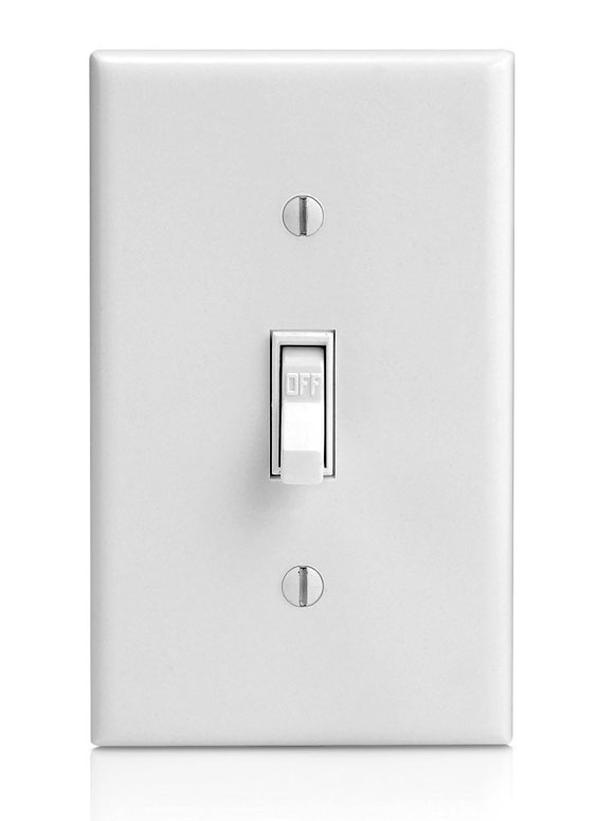
    When Amar answered the ad for a volunteer coordinator, he was certain that he could fulfill the stated requirements. “It was pretty straightforward,” he said, “and although I had not managed volunteers previously, I did have experience in non-profit work. So, I applied and was hired. I worked there for four years, and now, when looking back at that recruitment ad, I wonder why they included along with all the skills required, the phrase, ‘and uphold the values of the organization’. In retrospect, I left that job because I came to really wonder what their values were.”

    Amar continued, “our mission was very clear. Our service delivery was excellent. Recruiting and training volunteers was going well and I felt that their contributions were generally regarded as meaningful. But internally, our organization was a mess. People routinely stabbed one another in the back. The CEO practiced rampant favoritism, set exclusionary rules and so morale was pitifully low, even though everyone worked hard at their jobs. It was as if our organization had a community face for our recipients, donors and general public and then behind closed doors, this dark side emerged. I began to wonder which face was actually the real face of the organization and what really were the values. Fairness? Not that I saw. Inspiration? No, staff was pretty much left to find inspiration where they could. It became a place where you took pride in your work, although you hated coming to work.”

    Can those of us who work in the non-profit world turn our kindness off and on? Can our volunteers also turn it off and on? If we treat clients with tenderness while treating other staff or volunteers with disdain, is it truly genuine? I often wondered that when working with a few volunteers who had a nasty side. I wondered, “how can honest kindness be selective?”

    Amar left his job and found another one. “I walked into a new place that did not speak openly about their values, but instead, showed them daily. Staff was genuinely kind and supportive of each other. Volunteers responded in that atmosphere and accomplished so many amazing things. I took a pay cut, but could not be happier. A value based organization that lives their values is far more rewarding than a larger paycheck accompanied by the stress of working with mean-spirited people.”

    Mahatma Gandhi once said,  “The greatness of a nation can be judged by the way its animals are treated.” That makes me wonder if  the greatness of an organization can be judged by the way everyone within and without is treated, including its staff, volunteers, the delivery people, visitors, the repairmen or even someone who wanders in off the street.

    Is a culture of kindness so thin that it is able to be turned on and off? If so, then it’s a veil and not really a culture, isn’t it?

    -Meridian

  • Frustration

    IMG_0374

    “It’s just so frustrating,” volunteer manager Elsie says. “I have this volunteer, Abbie. She is without a doubt, the most talented artist I have ever met. She has a heart and soul full of giving. So why am I frustrated? Well, we have asked Abbie to create posters for our program and she readily agreed. Everyone here knows her talent and is excited to see her work, but Abbie is continually chatting up the staff, starting posters over, and in general just wasting time. I nicely try to remind her that we have deadlines and needs, but she continues to drag things on and on. I’m spending an awful lot of time with her because she brings so much potential to the table.”

    Oh boy, the volunteer who frustrates. I’ve had them, and I’m sure you’ve had them too. I remember a volunteer who was so talented, but so needy, a volunteer who was so accomplished but so critical, one that was so loved by staff, but went so far off the rails.

    One in particular stands out. I’ll call her Tanya. Tanya had this incredible ability to connect with family members. She could enter a room and be a trusted insider within an hour. Watching her engage with a devastated family was like standing at the edge of a powerful waterfall. The sheer energy was awesome.

    But, away from a client and family, Tanya was all drama. Her life was upside down, inside out in a whirlpool of turmoil. For years, I was her sounding board. For years I soothed her spirit and dried her tears, all because I witnessed such potential in her. I would think, “if only she could stop fighting with her family,” or, “if only she wouldn’t look to stir the pot all the time and instead concentrate on her gifts.”

    For years I hoped she would view her life the way she viewed her volunteering. I cared deeply about her and, just as we care about all of our volunteers, wanted to see her succeed, not only in volunteering, but in life. She had the personal tools to be great. It killed me to see her waste that by alienating and fighting with friends, peers and relatives.

    One day Tanya turned on me. I left her to simmer and take time off and she came back as if nothing happened. But then, she turned on me again and this time stabbed me in the back. Fellow volunteer coordinators sympathized and refrained from saying, “I told you so,” even though they had warned me that this would happen.

    Do I regret trying to mentor Tanya? No, I don’t. Am I bitter? No, honestly not, because I saw so many clients benefit from her extraordinary talent. Would I do it again? That’s a tough one. How do you look at a formidable waterfall and try to keep it from breaking the rocks below?

    We all will occasionally interact with people who frustrate us because we are in the business of cultivating potential and it’s hard to watch incredibly talented people sabotage themselves. We care about our volunteers and wish them well in all aspects of their lives.

    But maybe, part of the frustration is in trying to change people. Is that really our job? Is getting involved in a volunteer’s personality traits a part of developing great volunteers?

    Now as I look back, I think that a great deal of my frustration with Tanya came from the idea that I could change her, make her a “better” person instead of accepting her for who she was and concentrating on her volunteering. And really, who am I to think that I could make her perfect, that I could control that energy?

    So, I still feel a small pang of frustration, but really not as much with Tanya, but with myself for being more of an enabler than a volunteer manager.

    My take away, I guess is to be careful, because sometimes, when standing on the mossy edge of that powerful waterfall, you can slip and fall in.

    -Meridian


  • Happy Volunteer Appreciation Week!

    gears

    Well, it’s hump day for volunteer appreciation week and as everyone who manages volunteers knows, it is a wonderful, hopeful, stressful, physically and mentally exhausting, go without much sleep week.

    Behind the scenes, volunteer leaders everywhere are working long hours so that every volunteer receives the recognition they deserve. If you wear a wristwatch, take a good look at it. This is you: On the outside, the good old watch reliably tells you whether it’s exactly the time to phone Virginia, the volunteer who left you a voicemail to call her this morning at preciously 10am, because after that, she is unavailable. (And she means it, you’ve discovered from having called her five minutes after her specified time on another occasion).

    But back to the clock. On the inside, all these gears and wheels are spinning their little metal hearts out, interlocking with one another in a never sleep mode that makes the reliable watch look so simple on the outside. That is you, the volunteer manager.

    So, this week, think about these outward results created by your inner spinning gears:

    When your volunteers are pleased with all the glittery stars hung everywhere, it’s due to you enlisting your family in a “family craft day” of cutting and glueing glitter on one hundred stars. (Note to self, glitter will never come out of tweed furniture and the statement “I’ll make it up to you” will cost you dearly one day).

    When the volunteers are swooning over the delicious home-made cupcakes, it’s due to you staying up until 2am to learn through YouTube how to make each cupcake look like a trophy. (Note to self, pick a round object next year).

    When the volunteers see the huge cardboard card signed by all the staff, it’s due to you chasing everyone down for weeks in advance. You even went so far as to show up at staff member Fred’s door because he was home recuperating from a bout of H1N1 flu. (Note to self, keep masks in the car, just in case).

    When the volunteers are snapping pictures by the “Tree of Thank Yous” in the common room, complete with a variety of leaves sprouting sayings of gratitude, it’s due to you gathering leaves of all types from local forests and parks on your weekends when you should have been helping your daughter do her homework or your significant other clean the gutters. (Note to self, poison oak is itchy as heck and the offending oils need to be scrubbed out from under the skin).

    When the volunteers are all abuzz about that mention on the local radio program, it’s due to you stalking the morning drive radio host all over town trying to get just a moment of his time. When you finally accosted him outside the gym he attends, you mumbled something about “volunteer power”, but somehow he agreed to give a shout out to your volunteers, and even though he mispronounced your organization’s name, it was a win-win. (Note to self, inform marketing of any publicity requests you make because they are not happy that the morning drive guy said “The Sleeze Organization” instead of “The Seize Organization.”).

    When volunteer Joyce feels special because she got a hand delivered invitation that somehow the post office lost (wink wink), it’s due to you finding the unfinished address labels in the desk drawer. You called everyone on that list just to be sure and made up some lame story about the invites being lost but you couldn’t get through to Joyce’s voicemail so you drove 30 miles out there because just last week, Joyce was gently reprimanded by a staff member and Joyce is very sensitive and somehow you just knew that if she didn’t get this invite, she would feel completely unwanted and so you went after work when you had this great dinner date set up and instead you ate a cold burger on the way and dropped mustard on your brand new cream colored shirt.                                                                                       (Note to self, uhhhhhhhhhhhhhhhhhhhhhhhhhhhhhhhhhhhhhhhhhhhhhhhhh, nope I have nothing).

    There you have it-you are the watches of the world of volunteering, the reliable, always working, always the main spring of motion that makes a volunteer feel connected and appreciated.

    Happy Volunteer Appreciation Week to all the wonderful volunteers!

    And to all the volunteer managers out there who work their gears off to make sure the volunteers are appreciated?

    It’s 5 o’clock somewhere. A nice Chardonnay or a good pint of Lager or cup of tea is waiting for you on Friday!

    -Meridian

  • Awards: The Bridge to Inspire


    PeaceBridge
    Peace Bridge from e-architect.co.uk

    “Integrity is doing the right thing, even when no one is watching.”   …C.S.Lewis

    When John approached Emma about nominating her for a volunteer award, she adamantly shook her head. “No way, no. I don’t want the recognition. I don’t do this for any praise, I do it because it’s the right thing to do.”

    “I know, Emma,” John replied. “But you are perfect for the award. I know you can win.”

    Nominating a volunteer for a local, regional or national award is a big deal. We all know volunteers who deserve recognition and ironically, the ones who embody the spirit of the awards are the ones who don’t want the “fuss.”

    So, how do we convince deserving volunteers to let us nominate them and should we bother with it anyway? Is winning an award something we should boycott on principal or does it have a place?

    You know the volunteer who immediately comes to mind when thinking about nominations. You happen to peek in on them and they are quietly doing the most amazing work. As you watch them, you envision the entire room as a bridge, constructed by an unassuming volunteer who is changing the life of the person they are helping, one plank, one suspension wire at a time. You wish you could capture that perfect scene in a bottle or at least on film, so that you could show it worldwide. “Here!” you would shout, holding up the moment. “Here is the perfect piece of volunteering. This is what it is all about!”

    Perhaps awards are not exactly what we are aiming for, but if they are an avenue to tell a volunteer’s story, to shed light on our volunteers’ accomplishments, and to galvanize others, then awards can serve a purpose. And explaining that to a reluctant volunteer just might convince them to allow you to tell their story.

    “Emma,” John continued, “I know that you are not an attention seeker. Your work speaks for itself. “But if telling your story can inspire others to step forward and volunteer, wouldn’t that be a worthwhile thing?”

    “I just don’t want to do this for the wrong reason,” Emma returned skeptically.

    “I agree wholeheartedly,” John agreed. “We’re not going to make a big fuss. We just want to show others that volunteering impacts our clients in the most profound way. I know that telling your story will do just that.”

    And so, with the assurance that a nomination was for reasons that would never include self-promotion, Emma agreed to allow her exceptional story to be told. She not only won, she caused others to get involved.

    A very wise person once told me that the secret to nominating volunteers for awards is to find the “angle.” What sets the volunteer apart? What obstacles has the volunteer overcome by volunteering? What has the volunteer done to initiate change, improve a program, or solve a problem? What about this volunteer’s story must be shared with others?

    But nominations can also be written to influence people. By hearing amazing volunteer stories, potential volunteers can seek an opportunity to be part of that incredible bridge building. And many folks just might want to join a group of “award-winning volunteers.”

    Nominating volunteers can:

    1. Elevate volunteers within the organization
    2. Demonstrate the importance of volunteer involvement
    3. Show the volunteers that they are valued
    4. Inspire potential volunteers to join
    5. Gather stories highlighting the impact of volunteers

    Although most volunteers shy away from the spotlight, their compelling work can often motivate others to step forward.

    And if awards can work for us,  then let the nominations begin!

    -Meridian


  • Ten Email Subject Lines for Volunteer Managers

    email subject line

    Do you sometimes feel like your emailed requests or questions swirl down the computer garbage disposal sink drain before anyone actually reads them?

    Yes, it happens. I think busy senior managers are forced to choose an immediate crisis (think, Subject: One of your staff just over-reported her mileage reimbursement ) versus a well thought out and professional big picture question regarding the future of volunteering. Unfortunately, you’ve now just entered into the email game of “Let the Priorities Begin!”

    So, let’s first look at the subject lines that get deleted faster than you can ask, “are the volunteers going to be recognized at the Gala this year?”

    1. Subject:  I have this new, awesome volunteer that I think could help you. (so this should be the one everyone can’t wait to open but sadly we live in a paradox. This email doesn’t always get deleted but can sit on the “to do” list until eternity. Why?) (Actual recipient’s response before deletion: “Because new volunteers are MORE work for me, not less.”)
    2. Subject:  A volunteer has a suggestion. (Ok, guaranteed this one gets deleted.) (Actual response before deletion: “Hmm, so a once-a-week person is going to tell us how to run our organization?”)
    3. Subject:  A volunteer needs supplies to start a new project. (Actual response before deletion: “Hahahahahahahaaaa, you think we have a budget for anything but salaries and maybe fancy napkins for our Gala?”)
    4. Subject:  I have a proposal for your consideration. (Actual response before deletion: “Seriously, honey, we have projects we saw at the last national conference and now must see implemented, so you just have to wait your turn.”)
    5. Subject: I have a challenging situation. (Actual response before deletion: “But I’m working on how to squeeze two jobs into one and if I just ignore things, they may go away cause I’m stretched soooooo thinnnnnnnnnnnnn.”)
    6. Subject: I am so livid right now. (Uh oh, sending emails when angry or upset is never a good thing and will forever hang a “snippy, snarky” title around your neck.) (Actual response before deletion: “Me too!”)

    So, how do we get our emails read before the rest of the stampeding herd of communication? Here are ten subject lines  to make sure that your email is opened immediately:

    1. Subject: Fwd: Evidence that our organization is a cover for the CIA!
    2. Subject: FWD: Rumor alert! Downsizing-Guess who the CEO is firing next?
    3. Subject: The CEO created a new award and I’m nominating you!
    4. Subject: FWD: This reporter is asking our volunteer for a statement on organizations mishandling money. Can you help?
    5. Subject: Fwd: Shocking photos of staff napping during the last staff meeting. (this one is good for attachments)
    6.  Subject: This volunteer works for a company that gives non-profit grants of up to $50,000!
    7. Subject: A volunteer BROKE the new expensive projector and I’m charging a new one on the corporate credit card (you’ll probably get a phone call)
    8. Subject: Warning! Scandalous photos of board members attached! You won’t believe No. 7! (again, good for attachments)
    9. Subject: Fwd: You won’t believe what this volunteer overheard while working in Finance! Hint” Buy gold!
    10.  Subject: Fwd: This volunteer is thinking about donating $100,00!

    I’ll admit, you can only use these once on each person and you’ll most likely be forced into a good one on one with a counselor, so maybe save them for an absolutely crucial email or the day you announce your retirement, whichever comes first.

    But, maybe a little creative email can move us forward in the shuffle. At the very least,  it might just be a way to have a little fun.

    -Meridian

  • Humbled

    potato pancakes
    Managing volunteers is very much like attending a life university in which there are classes on leadership, psychology, history, arts, health, philosophy, science and sometimes when you get lucky enough, quantum physics. We not only learn from our volunteers, but also each other, our clients, and our staff. No wonder we brush off the day-to-day hard stuff. We’re here to learn and grow.

    Sometimes, that learning is tiny, almost imperceptible like a diamond lying in the dust under our feet until a shaft of sunlight illuminates the sparkle and only then, we stop to pick it up and turn it over in our hand, enthralled by the worth of such a tiny object.

    Dot was a snip of a woman, outliving her husband by years, childless, left alone with her money and an emptying change purse of friends. She came to the hospice care center, her mind and demands intact and she could speak about the service aboard cruise lines as I could tell you where to find the best deal on hot dogs. She came with a short list of foods she would eat and an even longer list of those she would not. It was challenging for the volunteers who cooked in the kitchen and I tried to help them as much as possible to not become discouraged by difficult demands and critiques.

    One morning after hearing the food stories of the previous day, I noticed that potato pancakes were on Dot’s “will eat” list and I thought of my deceased grandmother who had made them from scratch. Surely, I reasoned, scratch potato pancakes would calm Dot’s critical tongue, so I tied on a ruffled apron and got to work. I fancied myself on an episode of Iron Chef and put my heart and soul into 3 perfectly cooked pancakes. Feeling flush with satisfaction, I covered them with the tenderness of a new mother and brought them down to her room. She was looking out the window as I knocked.

    “Good morning,” I chirped as she fixed me with eyes of steel. “I have something special for you, Dot.”

    “What is it?” she growled, a big cat cornered in our prettily decorated trap.

    I gently removed the cover, exposing my precious gift as I approached her tray table. “Potato pancakes, I made them just for you,” I said, breathless, waiting for that appreciative look I’d come to crave.

    Dot looked at me then down at the plate. She inspected the pancakes as though they were secretly holding explosives and then she looked back at me. “Take them away,” she said with a wave of her hand.”Everybody with any sense knows you put black pepper in potato pancakes.” With that her gaze turned to the window again. I was dismissed.

    Crushed like a flower beneath the stampeding herd, I headed back to the kitchen and scraped the three chef worthy pancakes into the garbage. I continued my day, the sting of rejection clouding my happiness.

    I packaged that experience and unwrapped it later at home, letting my thoughts go anywhere they wanted. Why was she so ornery? Why couldn’t she just acknowledge my gift for what it was? Why did this hurt? Why do I bother?

    Then, a prick of sunlight set itself on the dusty diamond. I began to ask myself these questions: Why did I assume she wanted those pancakes without my asking? Why did I cook them for her in the first place? Why, if I wanted to be of service, was this about me and my feelings?

    From that day on, I tried to be better at focusing on the client and by extension, any volunteer or friend or family member or staff member instead of myself. I began to ask more questions and listen less to my voice. I began to free myself from personalizing everything.

    When I would help out in the kitchen and take an order from a patient, I would ask them, “how do you want that prepared?” It’s amazing how many ways you can prepare toast, for instance-white, wheat, rye, pumpernickel, lightly toasted, toasted dark, dry or with butter or olive oil, whole or cut into two or four, rectangular or triangle-shaped, with or without jelly or peanut butter or honey or chocolate or maybe hummus. But the point was to give the person what they wanted without making them feel like a burden or without a self congratulating experience.

    I have been fortunate over the years to be humbled again and again, especially at times when I started to think that I just knew more than everybody else.

    Humility is one vastly underrated quality. It instills a sense of peace and curiosity and just might make someone like Dot feel a heck of a lot less captured.

    And oh, I now make potato pancakes with black pepper in them, because everybody knows that’s the way you do it.

    -Meridian

  • The Why? Parade

    Huntington-Beach-Parade-009
    http://www.huntingtonbeachparade.com/archives/huntington-beach-parade-huntington-beach-high-school-marching-band-4/

    report on the Giving in Hard Times Project that attempted to increase volunteering levels in the UK showed that none of the employed approaches increased volunteering, according to Peter John, professor of political science and public policy at the School of Public Policy, University College London. The conclusion of this report in Professor John’s words was “finding out that something did not work means more research can discover something that does.”

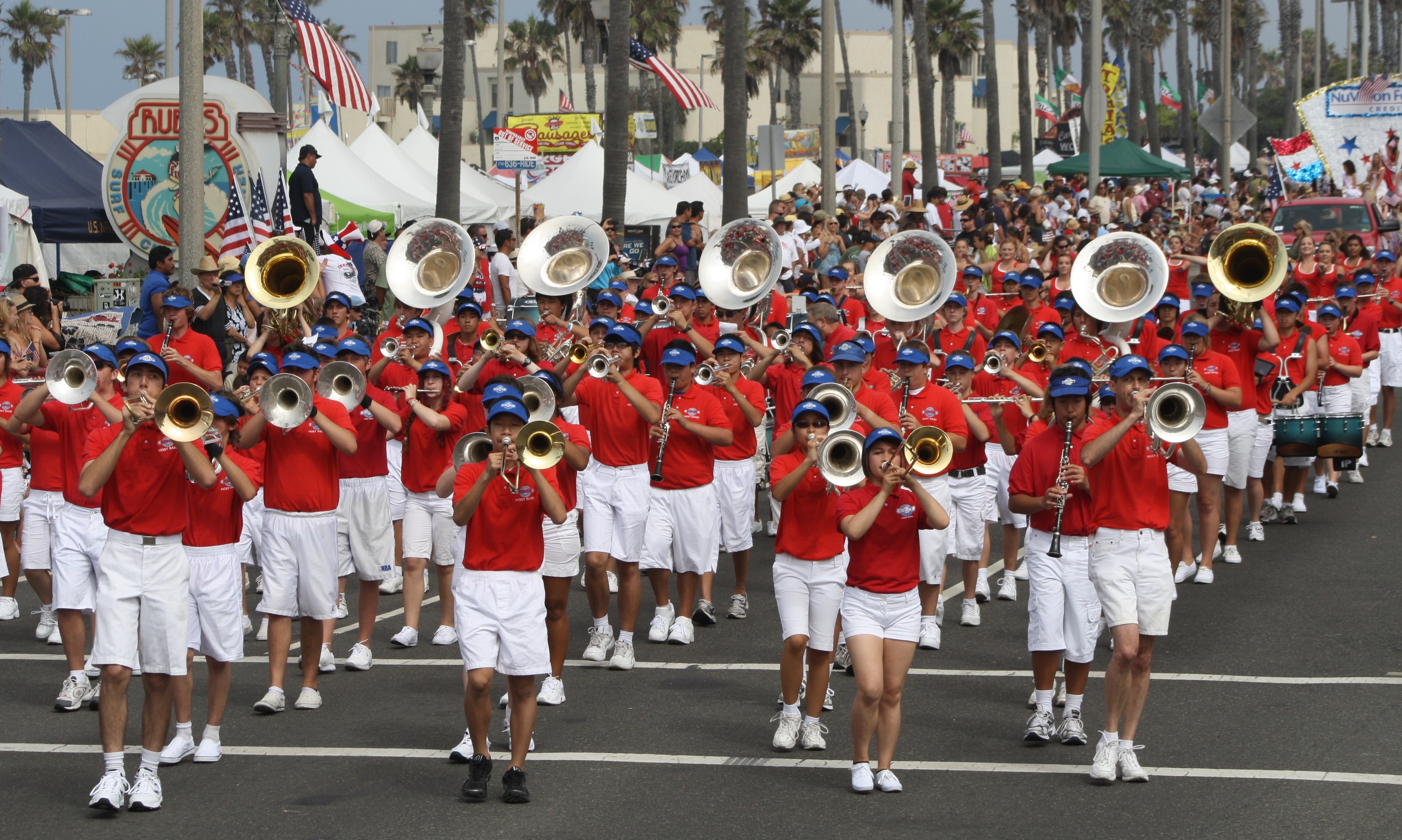
    Ok, that’s an honest conclusion and implies that recruiting volunteers is not as easy as some might think. You know, for some odd reason, this makes me think of comedian Louis C.K.’s hilarious riff on children who continually ask “why” to every answer given until a parent incoherently rattles off meaningless garbage or just yells at the child. Sometimes organizations repeatedly ask volunteer managers “why are there no volunteers” without hearing or understanding our answers, much like four-year old tykes. It goes something like this:

    Senior Manager Gwen: Esther told me there were not enough volunteers at the Golf Tournament on Saturday. Can you tell me why?

    Volunteer Manager Toby: Well, there were 10 really capable volunteers in attendance, as per the original request, just three short of the last-minute requested number.

    SM Gwen: Well, why weren’t there 13 volunteers there?

    VM Toby: There were several reasons, the biggest one being that we had ten volunteers lined up and Esther asked for three more on Friday at 4pm. We made numerous calls, but were not able to procure extra volunteers.

    SM Gwen: Why couldn’t you reach more volunteers? You say we have a hundred volunteers on our list, why couldn’t you get three more if you actually called everyone?

    VM Toby: Mainly because not every volunteer is available last-minute and our volunteers are very busy people with jobs and families and other commitments. Most volunteers are not home at 4pm. I know this because I have had multiple requests for last-minute volunteers.

    SM Gwen: Why are they unavailable? Didn’t they sign up to help us?

    VM Toby: Of course they did and they do; if I might show you last month’s volunteer hours, you will see that we increased volunteer participation 20% over the month before.

    SM Gwen: I’m not interested in stats right now. Why then do I have a golf tournament coordinator who had to stay an extra hour to collect and tally all the score sheets?

    VM Toby: Yes, I was told that by our lead volunteer, Ben who by the way was a professional events coordinator for over ten years. However Ben said that volunteer staffing was more than adequate and that some volunteers did not have enough to do. He also mentioned that the scores were not tallied on time because the system for collecting them was chaotic. He offered to help, but was rebuffed.

    SM Gwen: Huh. Be that as it may, 13 volunteers were requested. So why can’t you recruit people who are available to us, like people who aren’t doing anything like the ones who have no jobs and no commitments?

    VM Toby: Well, because typically, people who don’t do anything don’t do anything for a reason. Mostly, they don’t wish to volunteer. We try, but they don’t follow through.

    SM Gwen: C’mon. It can’t be that hard.Why can’t you just convince them? Do you need one of our marketing people to come talk to recruits?

    VM Toby: Thank you, no. From my extensive experience, volunteers need to hear a message directed at their wants and needs, not a general marketing message meant mainly for donations..

    SM Gwen: Why are you taking that attitude with me?

    VM Toby: Because I feel like you are calling me incompetent and incapable, of which I am neither. Recruiting volunteers takes skill and I have recruited and retained forty productive volunteers in the past two years. Besides, I also weed out inappropriate people as well, It’s not about numbers here, it’s about great, professional people volunteering for our organization. I’m proud of our volunteer force .Last minute requests will always be hard to fill, but I willingly do my best every time.

    SM Gwen: Then why can’t Esther get 3 volunteers when she needs them? Three, just three?

    VM Toby: Ok, because I’m stupid and lazy and I just want to collect a paycheck! I come in late, leave early and spend hours at lunch. I could care less about this mission and just want to find another job! Recruiting is easy, managing volunteers is a breeze, any idiot can do it, all right?


    Yeah, kind of like answering a four-year old’s why parade. Even a well-thought out attempt by highly qualified people to increase volunteer rates proved that volunteer recruitment is a complicated and nuanced task.

    So my why question to organizations is: Why aren’t volunteer managers judged on the number of competent and productive volunteers professionally recruited and managed, instead of on the perceived handful of phantom always available mind-less volunteers who are unavailable last-minute?

    -Meridian


  • The “Blockholm” Syndrome

    6-112860-dog-kittens-1438803469
    From Mom.Me

    Javier is a former volunteer coordinator for a large non-profit agency. He now works as an insurance representative and jokes that he was hired because he had access “to all these retired people.” As he runs his fingers through his hair, he says. “I often regret that I left my volunteer coordinator job. I really thought that I was doing fulfilling work and I had some ideas to engage more volunteers, but at the same time, I felt really, oh, I don’t know, unimportant. Besides myself, we had a volunteer manager, Kristen, and another volunteer coordinator, Gail. Kristen would often vent her frustrations at senior management’s lack of understanding of volunteer services. She would come down from a meeting and roll her eyes and say, ‘Well, we got overlooked again.’ I think that affected Gail and me a lot. We began to notice little things more, like not being recognized for organizational accomplishments, not being remembered on Volunteer manager appreciation day, and other things, like not being called on in staff meetings to offer opinions. I started to think that I wasn’t producing enough, so I started looking for another job. When I landed one, I gave my notice. I’m not sure how I could have changed the way I felt, but I wish I could have.”

    Tragically, Javier is not alone and while it is really crass of me to compare volunteer managers to survivors of traumatic hostage taking, aka the stockholm syndrome, I just wanted to point out that we, volunteer managers can easily start to believe that we are not as valuable as other staff based on our perceived treatment of volunteer services. Our self-worth can be “blocked” when we think that the volunteer department is the last one to be recognized, funded, or given educational opportunities. For those who are the sole volunteer coordinator, it is especially difficult, because who the heck is there to commiserate with besides the little stuffed tiger that sits on the back of the desk? (you know the one with the huge blue eyes a volunteer brought back from her trip to India).

    Others might point out, “well, jeepers, the volunteers praise you all the time and lots of them are highly educated!” But true as that may be, do we not equate volunteer praise to the cuteness of a parent’s praise and think, “Yeah, well, they have to say that, they’re my volunteers!”

    Deep down, do we not wish upper management could see what volunteers see in us? Do we long for that one on one with senior management so that they could feel our passion? Do we secretly hope that one of our more respected volunteers would burst into the CEO’s office and declare, “look, you have got to come to your senses and realize how valuable your volunteer manager is and I’m here to make you see that. Now sit!”

    If we are not careful, we may become victims of the Blockholm syndrome. We can get dejected, depressed and frustrated as we look through the prism of low self-worth. So, how to keep from being “blocked?” Here are just a few suggestions:

    1. Keep all notes of praise-as a matter of fact, write down verbal praise after the fact and keep these in a handy drawer. You will be shocked and buoyed by the rapid accumulation of kind words.
    2. Deflect flippant unkindness-remember, snide comments are all about the speaker, not anything you’ve done.
    3. Check in with people who care about you. Hearing from those who lift you up helps  and don’t dismiss volunteer praise. The volunteers are smart, accomplished, perceptive people and their praise should never be discarded.
    4. Continue to advocate for the great work you do. There are plenty of staff who notice your accomplishments even if they don’t vocalize continuous praise. Actually, praise everyone around you-they probably feel overwhelmed and undervalued just like you. They will return the favor.
    5. Find ways to get volunteers into the limelight. Great publicity usually shines brightly all around.

    Volunteer managers are amazing individuals who impact the lives of so many people from clients to volunteers to family and friends to other staff members. While we usually humbly state that we don’t need praise to function, we too, are human and sometimes feel under valued by circumstances around us. Don’t let it block your self-worth.

    In the words of a volunteer, “I owe so much to my volunteer coordinator. She trained me, spent time with me and showed me the way. She was patient and kind and now I am so proud of the work I do. I am a better person because of her.”

    Let’s all unleash our potential by focusing on the positive instead of letting the blockholm syndrome define who we are.

    -Meridian